Monkeys on the Loose: Panic, Peril, and Providence?
Wednesday, October 29, 2025
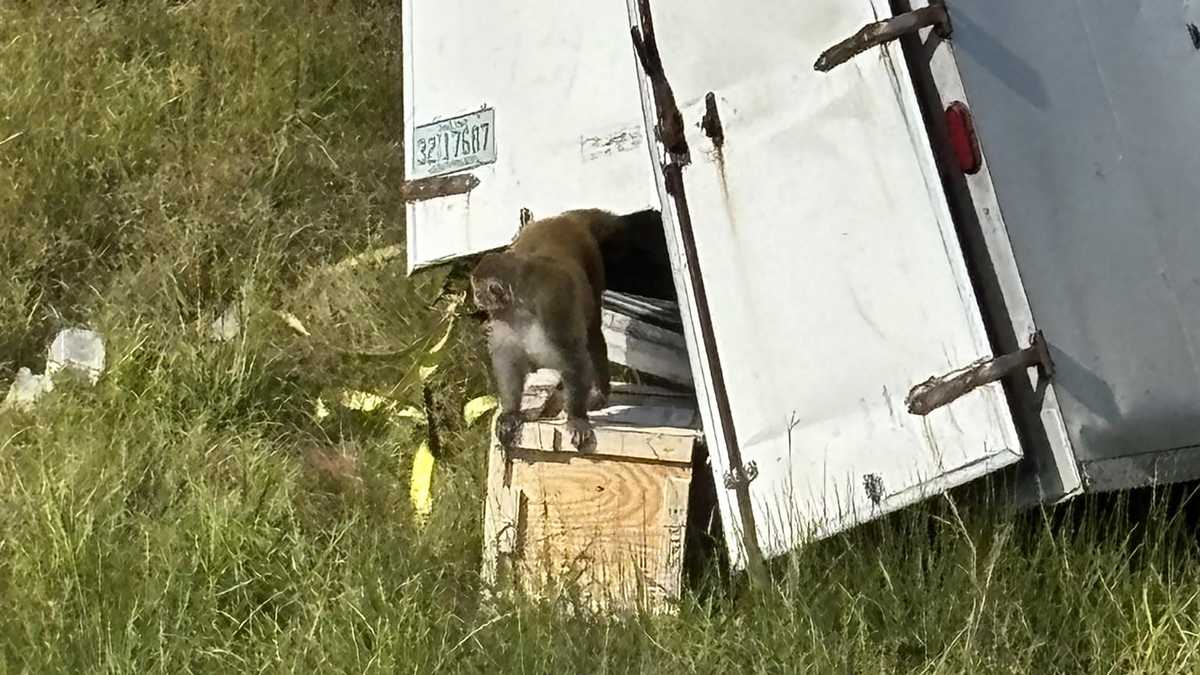
A truck carrying research monkeys crashed, leading to escapes and public warnings. But was the initial fear justified, or did panic overshadow the truth? This incident unpacks complex ethical questions about information, fear, and our stewardship of creation.
A truck transporting 21 rhesus monkeys, associated with Tulane University's research center, overturned on Interstate 59 in Jasper County, Mississippi. This accident led to the escape of six monkeys, with three initially recovered, while the remaining three were reported to still be at large.
Contradictory information emerged regarding the monkeys' health and handling. The Jasper County Sheriff's Department initially warned that the monkeys were aggressive, posed health risks like hepatitis C, herpes, and COVID, and required PPE for handling. However, Tulane University clarified that the monkeys were not infectious and belonged to a third party, not directly transported by Tulane itself. Following the crash, some of the escaped monkeys were "destroyed" by authorities based on the initial assessment of their danger.
Animal rights organization PETA criticized the incident, citing it as an example of the risks involved in the "greedy monkey experimentation industry." Recovery efforts involved both local law enforcement and arriving experts from Tulane, though the fate of all escaped primates was not immediately clear, with some reports indicating five had been "eliminated" and three were still missing.
Key Facts
- A truck carrying 21 rhesus monkeys overturned on I-59 in Jasper County, Mississippi.
- Six monkeys initially escaped from the overturned truck.
- Three monkeys were confirmed to be on the loose for an extended period.
- The Jasper County Sheriff's Department initially warned the public that the monkeys were dangerous and carried diseases like hepatitis C, herpes, and COVID.
- Tulane University clarified that the monkeys were not infectious and belonged to a third party, not directly transported by them.
- Some of the escaped monkeys were "destroyed" by authorities due to concerns about their danger.
- PETA criticized the incident, linking it to the risks of the "monkey experimentation industry."
- Experts from Tulane University were dispatched to assist in the recovery and assessment of the monkeys.