Grace Over Gridlock
Monday, November 3, 2025
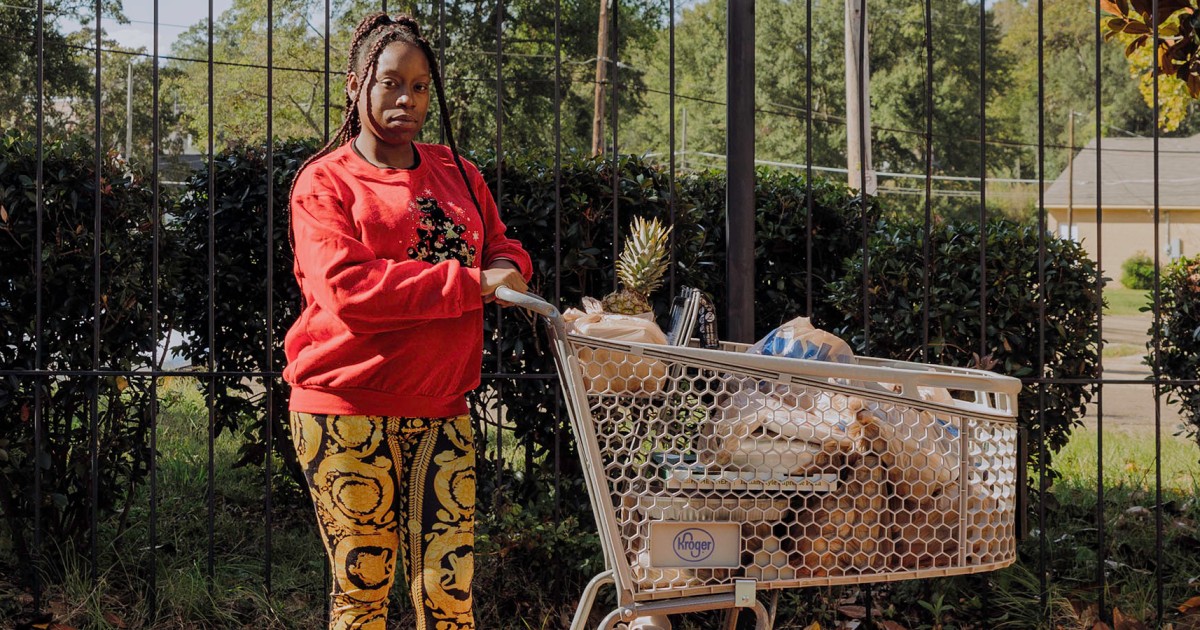
As the shutdown stalls food aid for millions, we’re reminded that systems serve people, not the other way around—and mercy can’t wait for process.
The ongoing federal government shutdown has interrupted the Supplemental Nutrition Assistance Program (SNAP), which provides food aid to about 42 million Americans. The Treasury has confirmed that payments could restart by midweek after two federal judges ordered the Trump administration to use emergency funds to issue at least partial benefits for November. Judges in Massachusetts and Rhode Island ruled that contingency funds and other discretionary resources must be deployed to prevent hunger among vulnerable households.
The crisis emerged after Congress failed to approve a spending bill by October 1, causing large portions of the government to close. With USDA funds frozen, states halted November SNAP distributions, leaving families uncertain if they’d receive assistance on time. Food banks and charities across the country—especially in places like Illinois—reported surges in demand as many families began turning to local aid for meals.
While President Trump has publicly committed to restoring benefits quickly, administrative and technical hurdles remain. The Department of Agriculture’s contingency funds total around $5 billion—insufficient to cover full benefits, which require $8 to $9 billion monthly. Courts have given tight deadlines for partial or full payments, but resuming normal operations will likely take days. Meanwhile, judges have underscored the humanitarian urgency, reminding federal agencies of their responsibility to ensure families do not go hungry in the world’s wealthiest nation.
Key Facts
- SNAP provides food benefits to about 42 million Americans monthly.
- Two federal judges ordered the Trump administration to use contingency funds to restart payments.
- The Treasury expects SNAP benefits could resume as early as Wednesday.
- The government shutdown began on October 1, 2025, due to a failed spending bill.
- The USDA’s contingency fund of $5.25 billion is not enough to cover all November benefits.
- Courts required the USDA to report plans by November 3, with partial payments due by November 5.
- Food banks across the U.S., particularly in Illinois, have seen rising demand from families losing aid.