When the Air Itself Cries Out
Monday, November 10, 2025
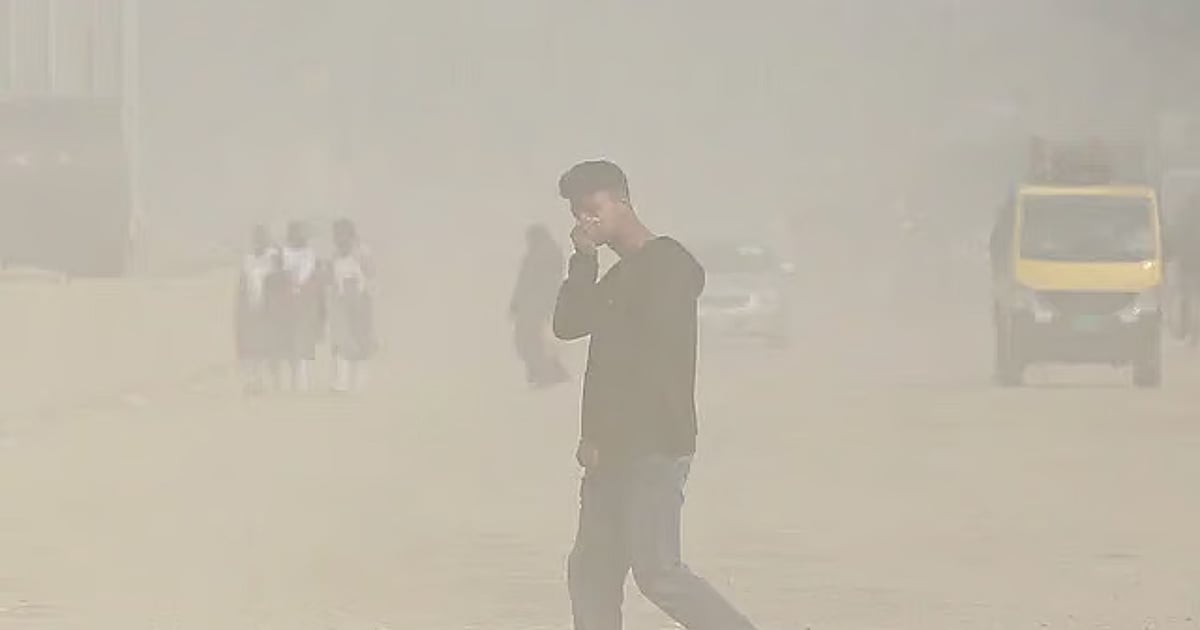
Dhaka’s smog reveals a deeper truth: when creation suffers, so do we. Faith invites us to guard the very breath God gave us.
Dhaka continues to rank among the world’s most polluted cities, with recent Air Quality Index (AQI) readings placing it between the 'unhealthy for sensitive groups' and 'unhealthy' categories. Depending on the day, the city’s position in global rankings has shifted, at times rising as high as third place. Such levels of pollution pose clear risks to public health, especially for children, the elderly, and those with respiratory conditions.
Across Bangladesh, urban centers like Khulna and Rajshahi have also seen worsening air quality, reflecting a nationwide challenge. Khulna reached an AQI of 229, categorizing it as “very unhealthy,” while Rajshahi—once praised for significant air quality improvements—has experienced a marked decline. Experts tie these developments to weather patterns, industrial emissions, and a lack of consistent rainfall that might otherwise disperse airborne particles.
According to recent research from the University of Chicago’s Energy Policy Institute, air pollution is now the most severe external threat to life expectancy in Bangladesh, reducing average lifespans by more than five years. As the data continues to highlight the human cost of smog-filled skies, the urgency of addressing the environmental crisis has grown, compelling cities and national authorities to consider long-term measures for cleaner air.
Key Facts
- Dhaka’s air quality has recently fluctuated between 'unhealthy for sensitive groups' and 'unhealthy' levels.
- The city has ranked as high as third in the world for poor air quality, with AQI scores between 124 and 187.
- Air pollution across several Bangladeshi cities—Dhaka, Khulna, and Rajshahi—has worsened, with Khulna recently recording 'very unhealthy' air.
- The Air Quality Index (AQI) in Bangladesh is determined by five pollutants: PM10, PM2.5, NO2, CO, SO2, and ozone.
- Air pollution has been linked to a reduction of over five years in the average Bangladeshi life expectancy, according to a study from the University of Chicago.