The Verdict Nobody Wanted—And the Truth We Can't Escape
Friday, January 23, 2026
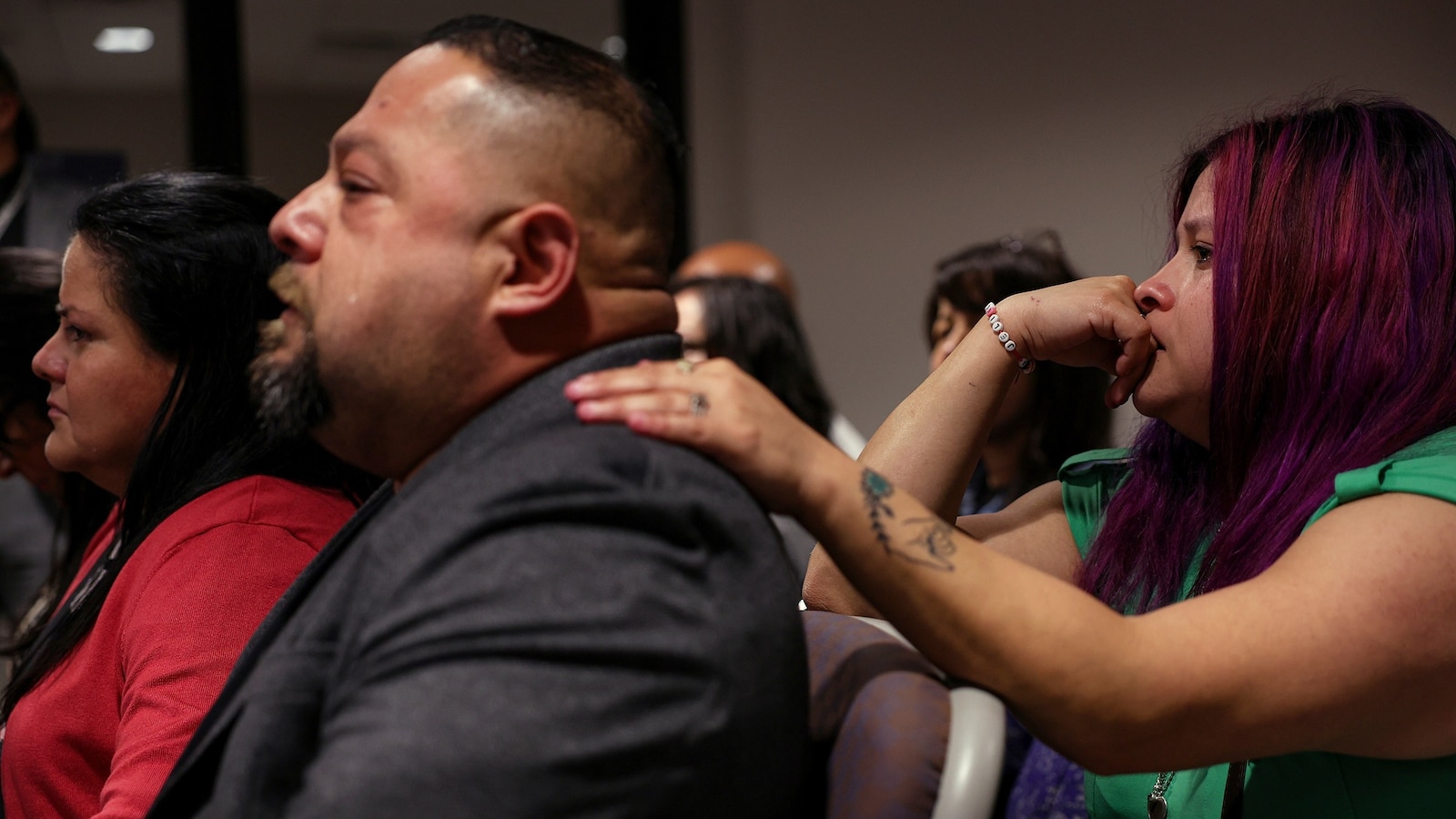
A jury acquitted a former Uvalde officer of all charges related to the school shooting response, devastating families but perhaps delivering the only honest outcome available: a refusal to let one conviction substitute for systemic accountability.
# The Verdict Nobody Wanted—And the Truth We Can't Escape
After more than seven hours of deliberation, a Texas jury acquitted former Uvalde school police officer Adrian Gonzales on all 29 counts of child endangerment. Outside the Corpus Christi courthouse, families of the 19 children and two teachers killed at Robb Elementary stood in silence, some weeping. "We had a little hope, but it wasn't enough," said Javier Cazares, whose 9-year-old daughter Jackie died in the massacre. "Again, we are failed."
The acquittal has been framed as yet another injustice heaped upon grieving families. And in many ways, it is. But there's an uncomfortable possibility we must consider: What if this verdict, as devastating as it is, represents the most honest conclusion our justice system could reach?
## The Conviction That Would Have Changed Nothing
Consider what a guilty verdict would have accomplished. Adrian Gonzales—described by his own defense attorney as "the lowest man on the totem pole"—would have faced up to two years in prison. The case would have closed. We could have told ourselves that justice was served, that someone paid for the 77 minutes that 370 law enforcement officers waited outside classrooms while children were slaughtered.
We could have moved on.
But that resolution would have been a lie. Because the truth—confirmed by a 600-page Justice Department report, extensive legislative investigations, and the testimony of legal experts—is that the failure at Uvalde was systemic. It involved "cascading problems in law enforcement training, communication, leadership and technology," according to state and federal reviews. Nearly 400 officers responded. Two have been charged.
David Shapiro, a former FBI agent and director of the MPA Inspection and Oversight Program at John Jay College of Criminal Justice, put it plainly: "If you're going to make a criminal case out of it, then you have to make it a criminal case about all of those persons that played a material role in allowing this event to go on for 77 minutes."
The defense argued successfully that Gonzales was being scapegoated—singled out so that everyone else, including the systems that failed, could escape scrutiny. The jury, after hearing evidence about unclear timelines, chaotic conditions, and the actions of officers who arrived moments after Gonzales, appears to have agreed.
## When Courts Can't Convict Systems
Here's the brutal reality: Our criminal justice system is designed to hold individuals accountable, not institutions. It can convict a person. It cannot convict a culture of inadequate training, bureaucratic dysfunction, or the collective paralysis of hundreds of armed officers.
Jesse Rizo, uncle of victim Jackie Cazares, asked the agonizing question outside the courthouse: "If you're an officer, you can simply stand by, stand down, stand idle, and not do anything and wait for everybody to be executed, killed, slaughtered, massacred. Is that the message you sent today?"
It's the right question. But perhaps the jury's answer wasn't about condoning inaction—it was about refusing to participate in a false resolution. By acquitting Gonzales, they denied us the comfort of believing that punishing one man could substitute for confronting systemic failure.
## The Families Got No Justice—But Also No Lie
This doesn't make the verdict any less painful for the families who drove hours to witness the trial, who listened to medical examiners describe fatal wounds, who hoped—however faintly—that someone, anyone, would be held responsible. One family member was removed from the courtroom after an angry outburst. Mothers wept together outside the courthouse. Their grief is compounded by the legal system's inability to deliver what they desperately need.
But sometimes the absence of resolution is the only honest ending available. The acquittal forces us to sit with an unbearable truth: accountability for Uvalde cannot come from convicting the officers most convenient to prosecute. It must come from dismantling and rebuilding the systems that enabled the tragedy—the training protocols, the command structures, the institutional cultures that value procedure over courage.
Defense attorney Nico LaHood acknowledged this after the verdict: "We also know there are families on the other side who have been living with this new normal for three years. They're still in pain, and this was a disappointment for them. We acknowledge that."
The acknowledgment matters. Because what these families deserve isn't a scapegoat. It's transformation.
## What Remains
Former Uvalde Schools Police Chief Pete Arredondo still faces charges, though his attorney believes this verdict will lead prosecutors to drop the case. Legal experts predict another acquittal if it goes to trial, for the same reasons: the failure was too widespread, too institutional, to pin on any single person.
The families have said they'll be there when that trial begins. They will keep showing up, keep demanding answers, keep refusing to let their children's deaths be forgotten or explained away.
And perhaps that persistence—that refusal to accept easy answers or false resolutions—is itself a form of witness. It testifies to what our legal system cannot capture: that some failures are too profound for individual punishment, that some accountability can only come through collective reckoning.
Adrian Gonzales told reporters he plans on "picking up the pieces and moving forward." The families of Uvalde will spend the rest of their lives picking up pieces that can never be put back together. The acquittal didn't give them justice. But it also didn't give the rest of us permission to look away.
Sometimes the most painful verdict is the one that refuses to let anyone—officers, institutions, or observers—off the hook. Sometimes the only honest answer to "who is responsible?" is: all of us, and none of us can be tried for it.
That's not justice. But at least it's not a lie.
Sources
Former Uvalde officer acquitted in trial over police response to Robb Elementary attack - Los Angeles Times
Los Angeles Times
Uvalde victim's dad reacts to acquittal: 'We had a little hope, but it wasn't enough' - ABC News
ABC News
Jury acquits former Uvalde school officer in first criminal trial tied to Robb Elementary shooting | TPR
TPR