Who Takes a Child When Everyone Is Watching
Sunday, January 25, 2026
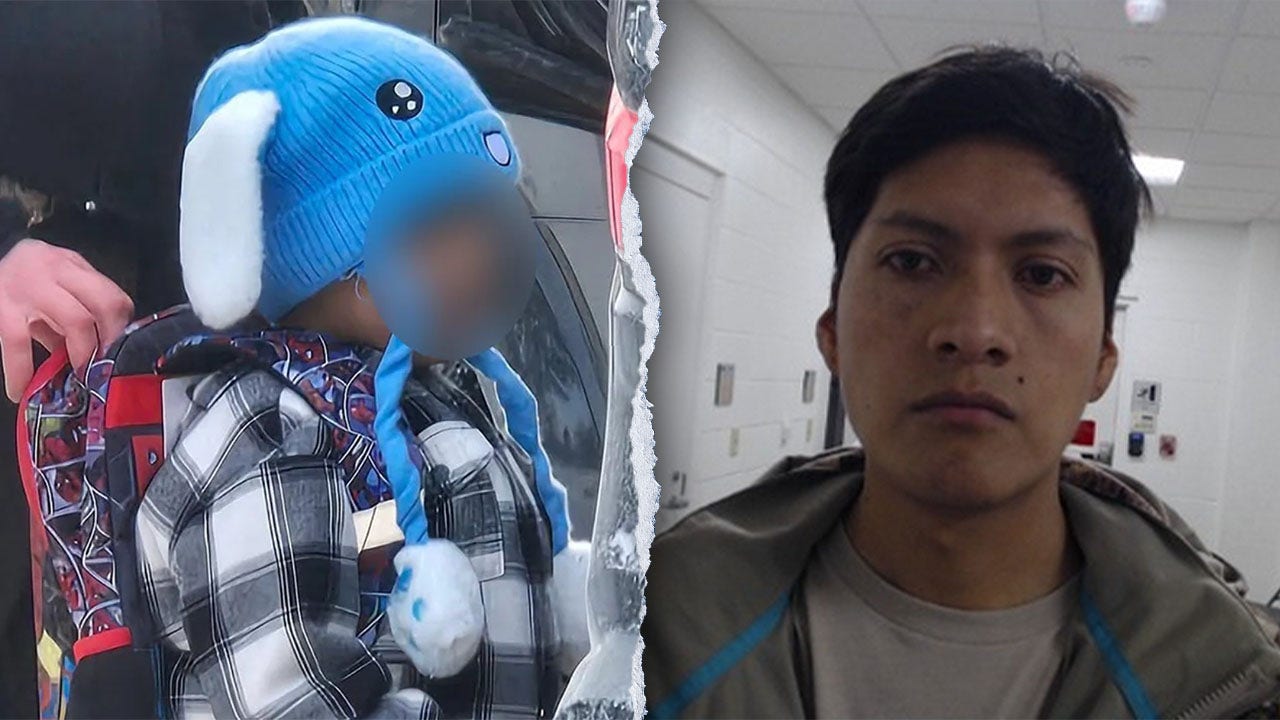
The detention of a 5-year-old in Minneapolis reveals less about immigration policy than about what happens when a child becomes evidence in someone else's argument—and what it costs us to need him to be.
The photograph of a small boy in a light blue stocking cap did exactly what photographs do: it made people certain. Certain he was bait. Certain he was abandoned. Certain this proved everything they already believed about borders, about enforcement, about the other side's cruelty.
But somewhere between the image going viral and the press conferences, between the accusations of kidnapping and the claims of parental abandonment, the actual child disappeared. Not from detention—he remains there, in Texas, with his father—but from the conversation itself.
What's striking isn't which version of events is true. It's how quickly a five-year-old became useful. To critics, he was evidence of overreach. To defenders, proof of parental failure. Everyone needed him to mean something. No one seemed to need him to simply be a frightened child on a cold day in Minnesota.
This is what we do when we're afraid: we turn people into arguments. We need the stories to be clear, the villains obvious, our positions vindicated. Complexity is expensive. Grief is inconvenient. So we rush past both.
But the Christian story keeps insisting that people are not illustrations of our points. They're not evidence. The child isn't a symbol of broken systems or failed enforcement. He's a child who today woke up in a detention center, and that matters whether it supports your position or not.
The cost of certainty is often someone else's humanity. And when everyone is watching, sometimes no one actually sees.