The Attention We Choose to Give: What Public Distraction Says About Our Hunger for Accountability
Monday, January 26, 2026
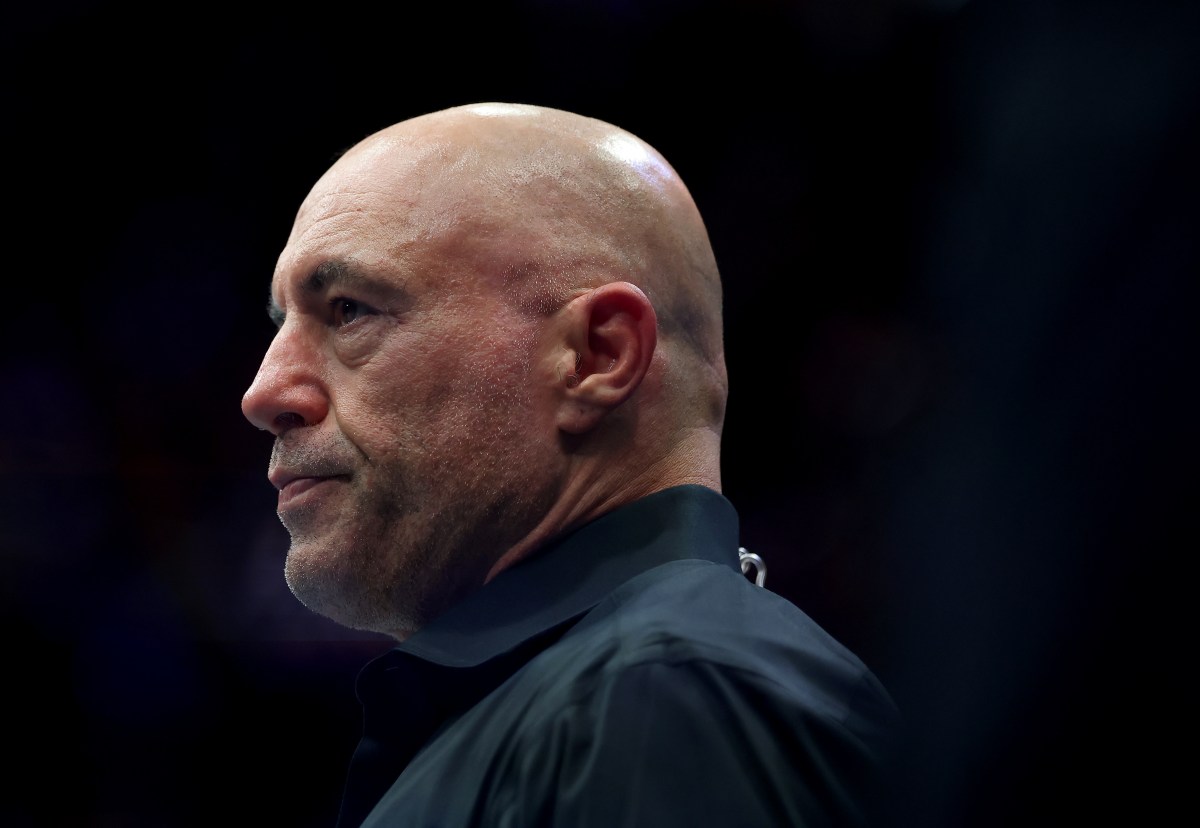
As podcaster Joe Rogan suggests the Minneapolis ICE shooting may be overshadowing delayed Epstein file releases, the pattern reveals something deeper than political maneuvering—it exposes our collective struggle to sustain focus on uncomfortable truths that demand sustained moral reckoning.
When Joe Rogan suggested this week that the Minneapolis ICE shooting might be intentionally distracting from delayed Jeffrey Epstein document releases, he articulated what many feel: our attention has become a contested resource, pulled between competing crises. While over two million Epstein-related documents remain under Department of Justice review despite a December deadline, national focus has shifted to immigration enforcement controversies and the fatal shooting of Renee Good.
But perhaps the real story isn't about political manipulation—it's about our own capacity for sustained moral attention. The Epstein case demands something exhausting: long-term vigilance about systemic abuse and institutional complicity. It offers no satisfying resolution, no clear partisan lines, just the grinding work of accountability that extends far beyond news cycles.
Meanwhile, each new crisis offers psychological relief—a chance to redirect our outrage toward something more immediate, more politically legible. We move from story to story, feeling informed while never sitting long enough with any single injustice to let it truly change us.
The Christian tradition calls this the discipline of attentiveness—the spiritual practice of not looking away from suffering, even when it's inconvenient or unclear what to do. It's the difference between consumption and contemplation, between reacting and remembering.
The victims of abuse don't have the luxury of moving on when the news cycle shifts. Justice requires what feels increasingly rare: the courage to maintain focus on uncomfortable truths long enough to demand answers, regardless of what else competes for our attention. That's not a political stance. It's a moral one.