The Epstein Files and the Proximity Problem: How Distance Gets Measured in Power
Wednesday, February 11, 2026
As the Epstein documents reveal networks of wealth and influence, the question isn't just who knew him—it's how powerful people redefine nearness when inconvenient, and what it means when proximity itself becomes currency.
When Commerce Secretary Howard Lutnick testified that he 'barely had anything to do' with Jeffrey Epstein despite visiting his private island with his family, he inadvertently revealed something more troubling than the visits themselves: how power reshapes the meaning of closeness. Multiple wealthy figures named in the recently released DOJ files—from billionaire Leslie Wexner to officials like Lutnick—are now recalibrating what constituted a 'relationship' with Epstein.
The Epstein story exposes how proximity functions differently for the powerful. An hour-long family lunch on a private island can be reframed as negligible contact. Years of documented interactions become 'barely anything.' This isn't merely about lying—it's about inhabiting a reality where access itself is so abundant that genuine nearness becomes impossible to measure by ordinary standards. The real scandal may not be the connections themselves, but the revealed assumption that certain people operate in a different moral geography entirely.
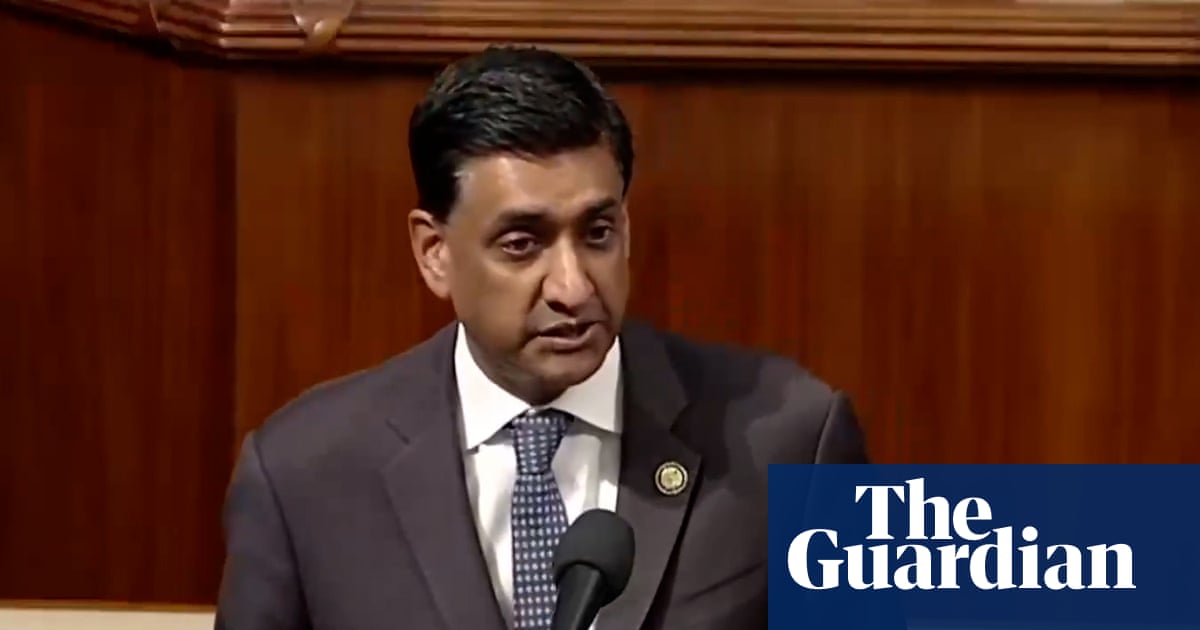
For Christians, this echoes an ancient warning: 'No servant can serve two masters.' The test isn't whether we've done explicit wrong, but whether we've allowed ourselves to exist in systems where truth itself bends around power and wealth. The Epstein files ask us to examine not just criminal complicity, but the subtler corruption of living close to corruption and calling it distance. When Congressman Ro Khanna asks how many names remain hidden in three million files, he's really asking: whose version of proximity are we accepting, and at what cost to truth itself?
Sources
First Thing: Congress members name six wealthy men ‘likely incriminated’ in Epstein files | US news | The Guardian
the Guardian
House Dem identifies ‘wealthy, powerful men’ DOJ redacted in Epstein files - Live Updates - POLITICO
POLITICO
Under fire for Epstein ties, Commerce Secretary Howard Lutnick defends visiting his private island
NBC News