The Door We Leave Open: Anderson Cooper and the Cost of Staying
Tuesday, February 17, 2026
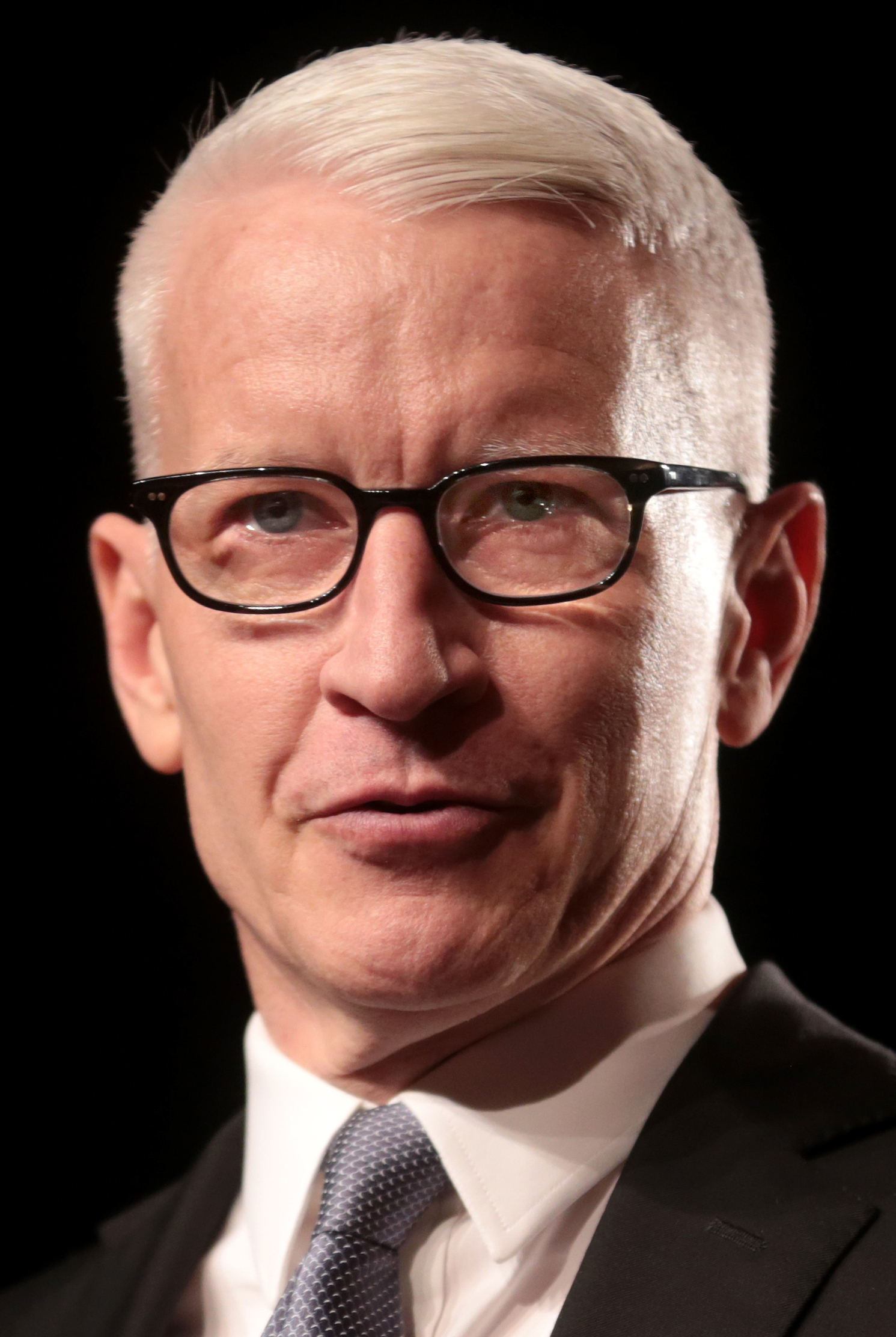
Anderson Cooper's departure from 60 Minutes after nearly two decades comes as editorial independence erodes under new leadership. His exit—framed around family time—illuminates a deeper question about the price of remaining when institutions abandon their founding principles.
When Anderson Cooper announced his departure from 60 Minutes this week, he spoke of wanting time with his young children "while they still want to spend time with me." It's a reason that sounds complete, even noble. Yet his exit arrives amid upheaval at CBS News, where new editor-in-chief Bari Weiss—installed by owner David Ellison with no broadcast television experience—recently held a report on immigrant detention because it lacked "the perspective of the Trump administration," which had declined comment.
Cooper joined 60 Minutes in 2006, balancing two networks for nearly twenty years. His departure raises an uncomfortable question: When does staying become complicity?
The Christian tradition has long wrestled with this tension. Daniel served in Babylon's court; Esther remained in a pagan king's palace. Both stayed in proximity to compromised power, yet both knew when allegiance to truth demanded risk. They remind us that institutions do not automatically deserve our loyalty—only insofar as they serve what is true and just.
Cooper's choice mirrors a grief many professionals face: watching a place that once stood for something lose its integrity. CBS thanked him graciously, even leaving "the door open" for return. But some doors, once we walk through them, close behind us by moral necessity. The real question isn't whether Cooper will return. It's whether the institution he's leaving will become something worth returning to—or whether its transformation into something else is already complete.