The Hidden Price of Fashion's Second Act
Thursday, February 19, 2026
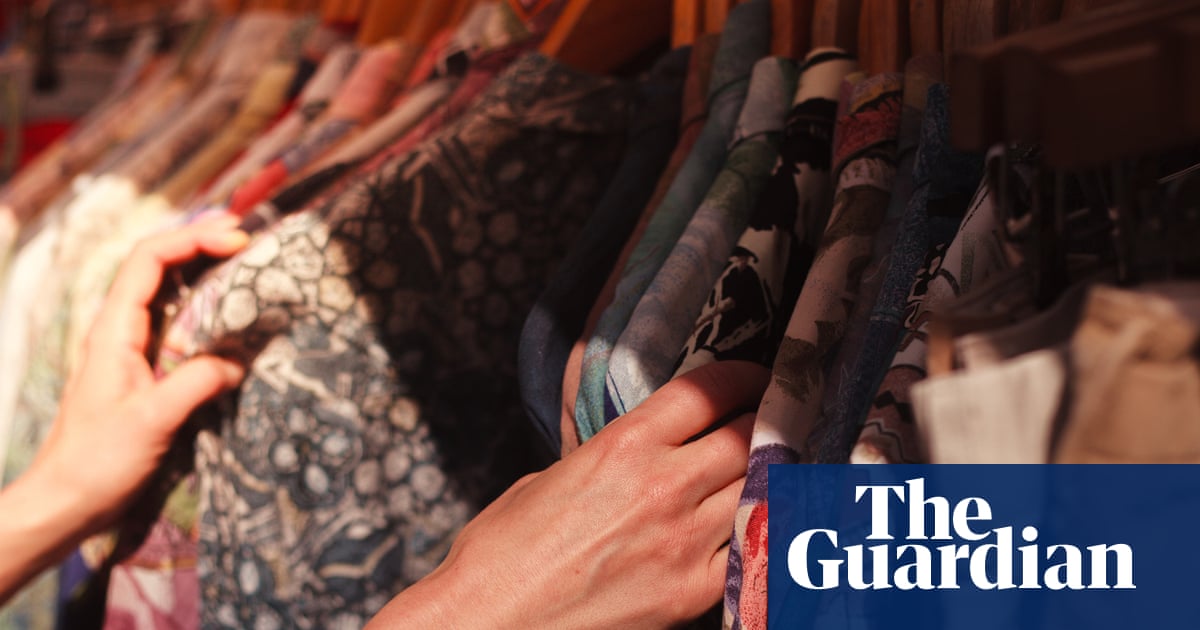
eBay's $1.2 billion purchase of Depop reveals how corporate giants are monetizing Gen Z's economic anxiety—turning thrift from necessity into profit while the financial pressures that drive young people to resale platforms remain unaddressed.
When eBay announced its $1.2 billion acquisition of Depop this week, the press releases celebrated sustainability and youth engagement. But beneath the corporate optimism lies a starker reality: what began as Gen Z's adaptive response to economic pressure has become a lucrative commodity for legacy tech companies.
Depop's seven million users—90% under 34—didn't flock to secondhand fashion primarily for environmental virtue. They came because new clothing has become unaffordable, because entry-level wages haven't kept pace with inflation, because student debt lingers long after graduation. The platform's growth maps not just to sustainability values, but to financial constraint.
Now eBay profits from what economic anxiety built. Etsy, which bought Depop for $1.6 billion five years ago, exits at a loss while eBay gains access to a generation's coping mechanism. The irony is sharp: young sellers hustle on these platforms to make rent, while the platforms themselves sell for billions.
This pattern—corporate profit extracted from individual struggle—echoes throughout scripture's warnings about systems that burden the vulnerable while enriching the powerful. Jesus overturned tables when commerce exploited those who had no choice but to participate. The sellers in the temple weren't there because they loved the marketplace; they were there because the system required it.
The Christian call isn't to romanticize poverty or condemn commerce entirely. It's to see clearly who bears the weight in any economic arrangement—and to ask whether our systems serve human flourishing or merely extract value from human need. Depop's billions reveal the cost of looking away.