The Apology No One Can Accept—Or Refuse
Monday, February 23, 2026
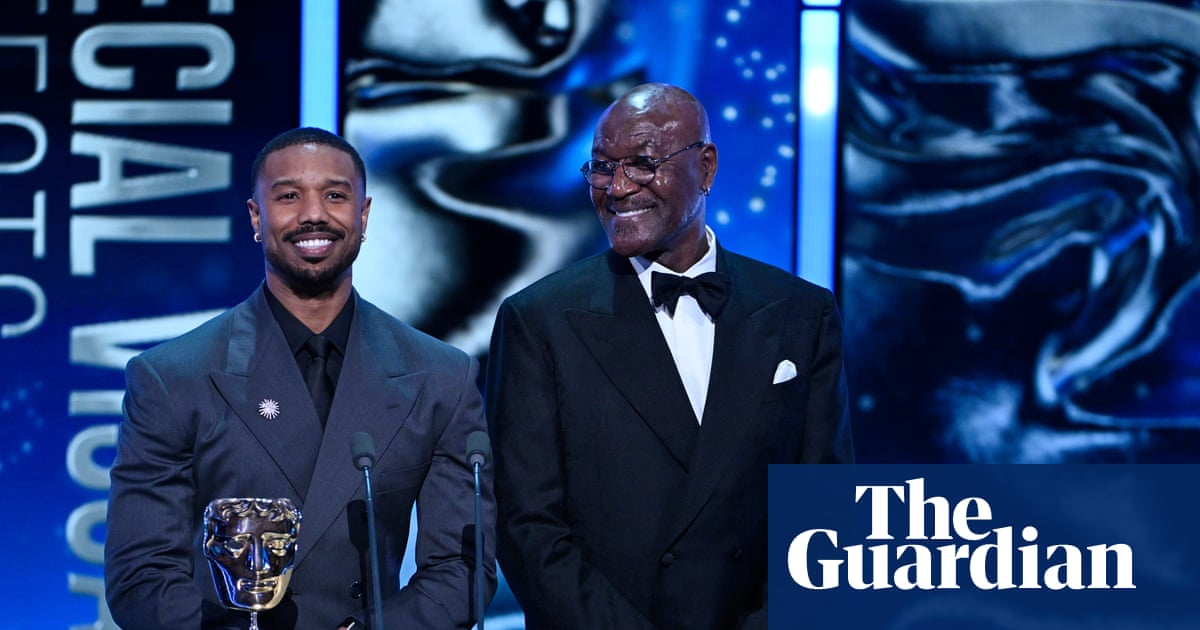
When a Tourette's syndrome advocate involuntarily shouted a racial slur at the BAFTAs, it exposed a painful collision: the simultaneous truth that he bore no moral guilt and that real harm was done. The incident reveals what happens when our categories for justice cannot contain the complexity of human suffering.
John Davidson didn't choose his words. Michael B. Jordan and Delroy Lindo didn't choose to hear them. And now we're all stuck with a question our justice system wasn't built to answer: what do we do when harm is real but blame is impossible?
Davidson's Tourette syndrome makes coprolalia—involuntary swearing—a medical fact of his existence. The N-word he shouted wasn't an expression of hatred. It was a symptom. Yet the pain it caused Jordan, Lindo, and others in that room during Black History Month was also real. Jamie Foxx's anger is justified. So is the medical explanation. Both things are completely true, and they cannot be reconciled by our usual tools.
This is the grief no one wants to sit with: that sometimes there is no one to blame, and yet someone still bleeds. We want clean categories—guilty or innocent, victim or perpetrator. We want apologies that satisfy or explanations that exonerate. But life keeps handing us stories that fit neither box.
The Christian tradition has language for this: lament. Not everything broken can be fixed by human hands. Not every wound has a villain. Sometimes we are called simply to witness suffering without rushing to resolve it, to sit in the tension between mercy for one person and justice for another, knowing both are sacred. The BAFTAs incident doesn't need a verdict. It needs us to acknowledge what we'd rather not: that the world is more broken than our categories can contain, and that brokenness itself is what calls us toward compassion.
Sources
Michael B. Jordan and Delroy Lindo Face Unexpected Slur from Invited BAFTA Guest
Yahoo Entertainment
‘One Battle After Another’ Wins Big at BAFTAs - The New York Times
The New York Times
Backlash mounts to Bafta N-word controversy as Jamie Foxx and Wendell Pierce criticise outburst | Baftas 2026 | The Guardian
the Guardian