A Generation That Bled Now Governs
Monday, March 9, 2026
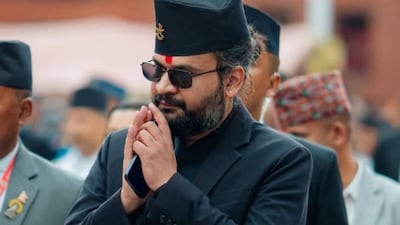
News18 · https://www.news18.com/world/fk-america-india-china-nepal-pm-frontrunner-balen-shahs-2025-post-goes-viral-triggers-outrage-9945639.html
Seventy-seven people died in Nepal's streets last year. This week, their generation won a landslide. Now comes the part the Psalms warn is hardest.
What's happening
Balendra "Balen" Shah, a 35-year-old former rapper and mayor of Kathmandu, won Nepal's parliamentary elections in a landslide this week. His Rastriya Swatantra Party took over 100 of 165 directly elected seats, reducing four-time Prime Minister KP Sharma Oli's party to fewer than 30.
It was Nepal's first election since the Gen Z-led protests of 2025, in which 77 people were killed before the previous government fell. Shah ran on accountability and anti-corruption, and his support base is overwhelmingly young. The scale of the result stunned observers: a party that did not exist a few years ago now holds a commanding majority. For a generation that watched its peers die in the streets demanding change, the ballot delivered what the barricades started. The question now is whether power will accomplish what protest could not.
What the text says
Psalm 72 is attributed to Solomon, but its function in the psalter is broader than one king. It is Israel's prayer for any ruler who takes power.
Psalms 72:1-41God, give the king your justice; your righteousness to the royal son.2He will judge your people with righteousness, and your poor with justice.3The mountains shall bring prosperity to the people. The hills bring the fruit of righteousness.4He will judge the poor of the people. He will save the children of the needy, and will break the oppressor in pieces.
The opening request is striking: the psalmist does not ask God to make the king strong, or victorious, or wealthy. The first petition is for justice. The second is for the poor. The psalm measures good governance by what happens at the margins.
Psalms 72:12-1412For he will deliver the needy when he cries; the poor, who has no helper.13He will have pity on the poor and needy. He will save the souls of the needy.14He will redeem their soul from oppression and violence. Their blood will be precious in his sight.
"Precious will their blood be in his sight." In the ancient Near East, the blood of the poor was cheap. Rulers built their legacies on conscripted labor and expendable lives. The psalmist insists that a king worth the title treats the blood of the powerless as precious. The psalm's test of leadership is a single question: what happens to those who have no advocate? The needy who cry out, the afflicted who have no helper, the weak whose lives other regimes treat as expendable.
This is what makes Psalm 72 a prayer rather than a description. Israel's poets knew that just governance was rare enough to require divine intervention.
The Reflection
Seventy-seven Nepalis died for the right to choose their own leaders. The generation that survived them just exercised that right with overwhelming clarity. Whether Shah governs justly remains to be seen. Psalm 72 is generous with its vision of what good governance looks like and honest about how rarely it appears. The psalmist's request goes directly to God: shape this ruler. Make him see the poor. Let their blood be precious in his sight. The prayer is still open.