The Warming Is Speeding Up
Sunday, March 29, 2026
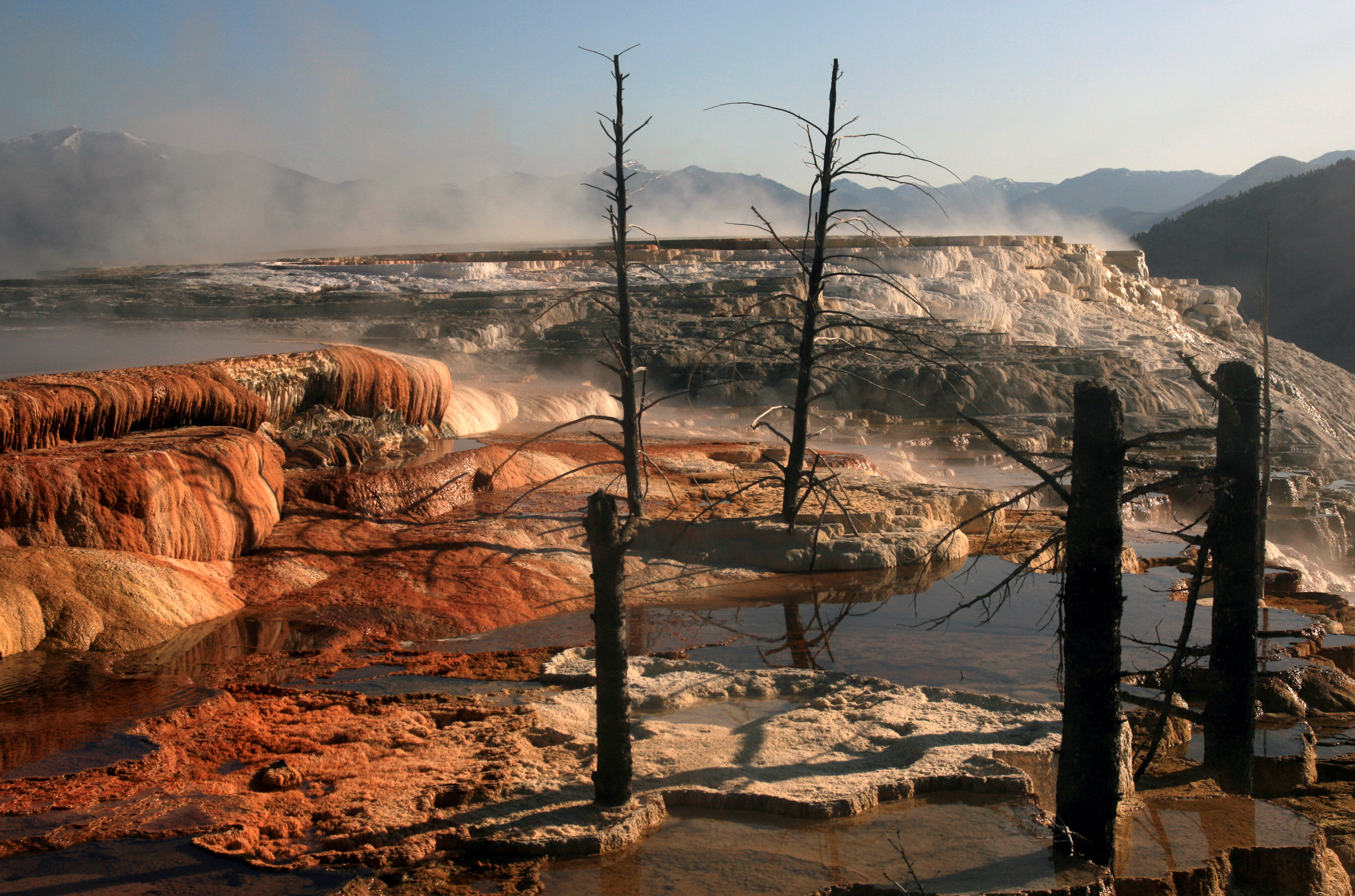
Brocken Inaglory · (CC BY-SA 3.0) · Wikimedia Commons
Earth's warming rate has nearly doubled in a decade. Paul wrote about creation groaning. The data says the groaning has gotten louder.
What's happening
Research published in Geophysical Research Letters by scientists at the Potsdam Institute for Climate Impact Research found that the rate of global warming has nearly doubled since the 1970s. After filtering out natural variables like El Nino events, volcanic eruptions, and solar cycles from five major temperature datasets, the team identified a statistically significant acceleration beginning around 2015. The current warming rate stands at approximately 0.35 degrees Celsius per decade, up from 0.20 degrees in the 1970s. Statistical certainty exceeds 98 percent. "In the data, you can practically see by eye that it has accelerated," said lead author Stefan Rahmstorf. The past three years are the warmest on record. At the current pace, the 1.5 degree threshold set by the Paris Agreement will be permanently breached before 2030.
What the text says
Romans 8:19-2219For the creation waits with eager expectation for the children of God to be revealed.20For the creation was subjected to vanity, not of its own will, but because of him who subjected it, in hope21that the creation itself also will be delivered from the bondage of decay into the liberty of the glory of the children of God.22For we know that the whole creation groans and travails in pain together until now.
Paul is doing something unusual here. He is giving creation a voice. The Greek word stenazei means to groan, to sigh, to labor under a weight that has not yet been lifted. Paul says creation is doing this "together" (systenazei), a compound word suggesting a shared, coordinated suffering across the entire natural order. This is not poetic decoration. Paul is making a theological claim: the natural world is not a backdrop to the human story. It is a participant.
The passage uses the language of childbirth (odinei), the pains of labor. The suffering is real, but it is directional. It is moving toward something. Paul does not minimize the pain. He contextualizes it inside a larger arc. Creation waits with "eager expectation" (apokaradokia), a word that appears only twice in the New Testament, describing someone craning forward to see what is coming.
What makes this passage remarkable for environmental discussion is its refusal to treat nature as either sacred or disposable. Creation suffers. Creation waits. Creation has a future that is bound to the human future.
The reflection
The data confirms an acceleration that began a decade ago. Paul's letter to the Romans describes something parallel: a creation straining forward, groaning under conditions it did not choose. The passage does not blame or excuse. It observes. The natural world carries a weight, and that weight is getting heavier. What the Potsdam data and Paul's theology share is a refusal to separate what happens to the earth from what happens to the people living on it. The groaning is not metaphorical. It is 0.35 degrees per decade, measured five different ways.