Healing the Body or Leaving It Behind
Tuesday, March 31, 2026
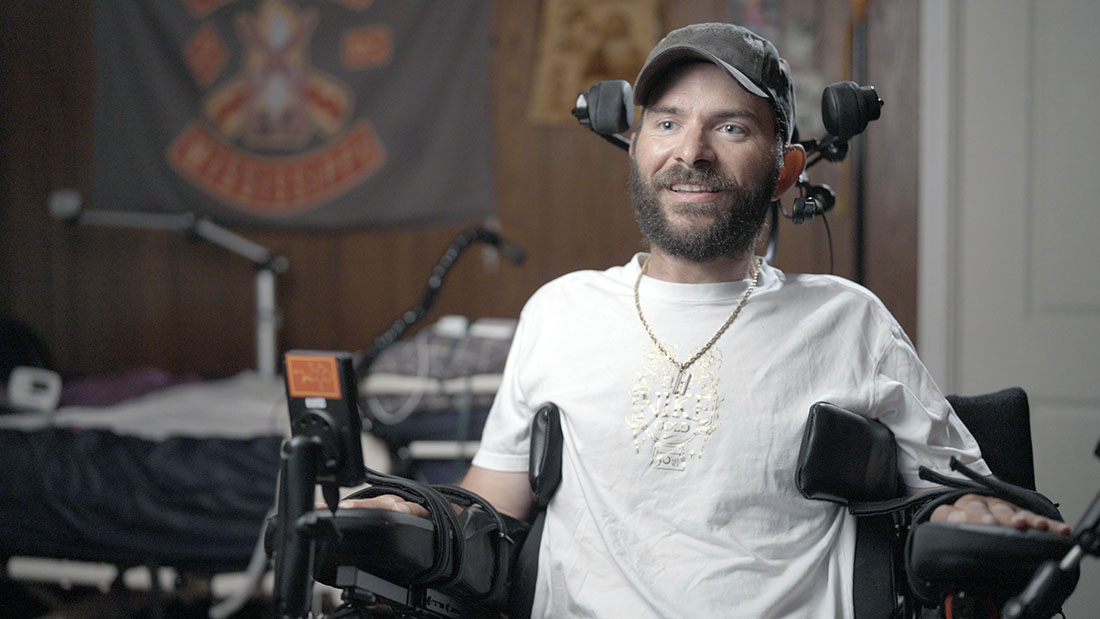
InventUM - University of Miami Miller School of Medicine - University of Miami · https://news.med.miami.edu/paralyzed-veteran-surgically-implanted-with-neuralink-device-at-the-miami-project-to-cure-paralysis/
Neuralink restores movement to paralyzed patients and promises human-AI symbiosis. The line between repairing what's broken and replacing what's human has never been thinner.
What's happening
Neuralink has implanted brain-computer interfaces in twelve people with severe paralysis, enabling them to control computers, browse the internet, and play video games using only their thoughts. The company is preparing to shift from experimental trials to high-volume production in 2026, with automated surgical procedures. Sam Altman's Merge Labs has raised $252 million to pursue similar technology.
The medical achievements are significant. But STAT News reports a growing tension within the brain-computer interface industry: Neuralink's leadership simultaneously promotes the devices as medical tools for ALS and quadriplegia patients and as the first step toward what Elon Musk calls "symbiosis" with artificial intelligence. Competitors and former regulators say the transhumanist framing undermines FDA approval pathways and insurance reimbursement for legitimate medical applications.
Neuralink recently recruited a senior FDA official from the office overseeing brain-computer interfaces, a move that "both impressed and troubled" industry observers.
What the text says
Psalm 139:13-1413For you formed my inmost being. You knit me together in my mother's womb.14I will give thanks to you, for I am fearfully and wonderfully made. Your works are wonderful. My soul knows that very well.
The psalmist describes the human body as God's deliberate work: formed, knitted, fearfully and wonderfully made. The language is not metaphorical. It is a claim about authorship. The body is not incidental to personhood. It is constitutive of it. To be human is to be embodied, and that embodiment is described as an act of divine craftsmanship.
Restoring what has been broken in that craftsmanship is consistent with everything Jesus did. He healed the paralyzed, the blind, the deaf. He never suggested that disability was God's final design or that the broken body should remain as it was. Healing is central to the gospel.
2 Corinthians 12:9He has said to me, "My grace is sufficient for you, for my power is made perfect in weakness." Most gladly therefore I will rather glory in my weaknesses, that the power of Christ may rest on me.
Paul's experience pulls in the other direction. He asked three times for his affliction to be removed. God refused. The answer was not healing but sustaining: "My grace is sufficient for you, for my power is made perfect in weakness." This is the most radical claim in the New Testament about human limitation: that weakness itself can be where divine power becomes visible.
The distance between restoring a paralyzed hand and merging a healthy brain with an artificial intelligence is the distance between these two passages.
The reflection
Jesus healed the paralyzed man at Bethesda. He did not upgrade him. The gospels draw a consistent line: restoration of the broken body, yes; transformation of the healthy body into something beyond human, never. Neuralink's medical work sits on one side of that line. Its transhumanist vision sits on the other. The company has not yet decided which product it is building, and that ambiguity matters. A technology that begins by giving a quadriplegic the ability to type and ends by promising to make healthy people superhuman has crossed from healing into something Scripture would call a different project entirely.