BBC · https://www.bbc.com/news/world-asia-46181240
A 17-year-old inmate sits Korea's hardest exam from a Seoul prison. Readers ask whether he deserves the chance. An old prayer asks who doesn't need it.
Don't remember the sins of my youth, nor my transgressions. Remember me according to your loving kindness, for your goodness' sake, Yahweh.
Psalm 25:7
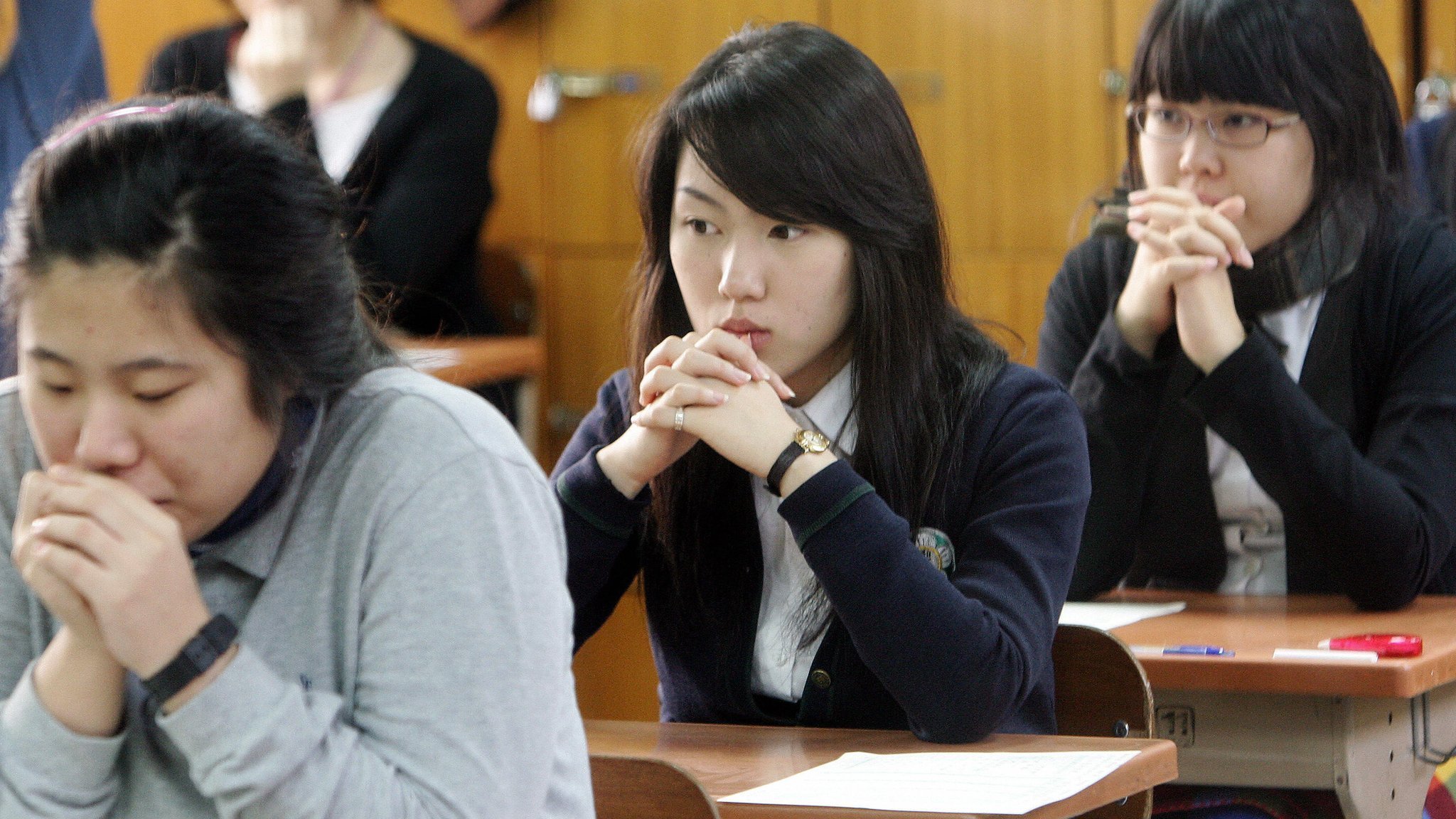
Hardly anyone wants to be known forever by the worst thing they did as a teenager. Most of us also believe some things done young should never be shrugged off. On Thursday, November 19, more than half a million South Koreans sit the Suneung, the college exam that matters so much the country pauses flights for it. Eleven are inmates at the Mandela Boys' School inside a Seoul prison. In a BBC report published November 16, an officer listed what the boys are there for: theft, violence, bodily injury, sexual violence and robbery.
The report doesn't name the offense of the 17-year-old it calls Park Soo-young, but he says he is "very ashamed that I couldn't control that impulse." When his sentence was read, he saw his mother crying and cried for about a week. If he could meet his younger self, he says, "I'd grab myself by the collar and shake myself."
Some Koreans are angry that offenders get a state-run class for an exam other teenagers prepare for on their own. They have a point, and the people these boys hurt appear nowhere in the coverage. The teacher, Park Min-yong, admits some students cheat "as if it's nothing" and that a star pupil who left came back. Of prisoners under 20 released in 2021, 35.5% were locked up again within three years.
So the argument turns on whether he has earned it, a question the psalm credited to King David never asks.
In it a man looks back on the sins of his youth and asks God not to hold them against him. He offers no excuse and no good record since, only God's kindness, and a few lines later he goes further.
Psalm 25:11For your name's sake, Yahweh, pardon my iniquity, for it is great.
He calls his guilt great and asks anyway. Israel sang this psalm together, so David's plea about his youth went into every worshiper's mouth, judges included. The prayer leaves Park's sentence running to 2028 and asks nothing of the people he hurt. Its weight falls on whoever prays it, since they have admitted they can't stand on their own record. Park calls this year's exam practice, and the teacher says nobody knows how it ends. Educators note that most young offenders come home while still young, so their neighbors will live with whoever walks out. The teenagers who studied without help have a fair complaint, and mercy doesn't cancel it. It does put a hard question to anyone who has begged not to be remembered for their own youth: will they let him become someone else?