Power, Fear, and the Politics of Trust
Monday, November 10, 2025
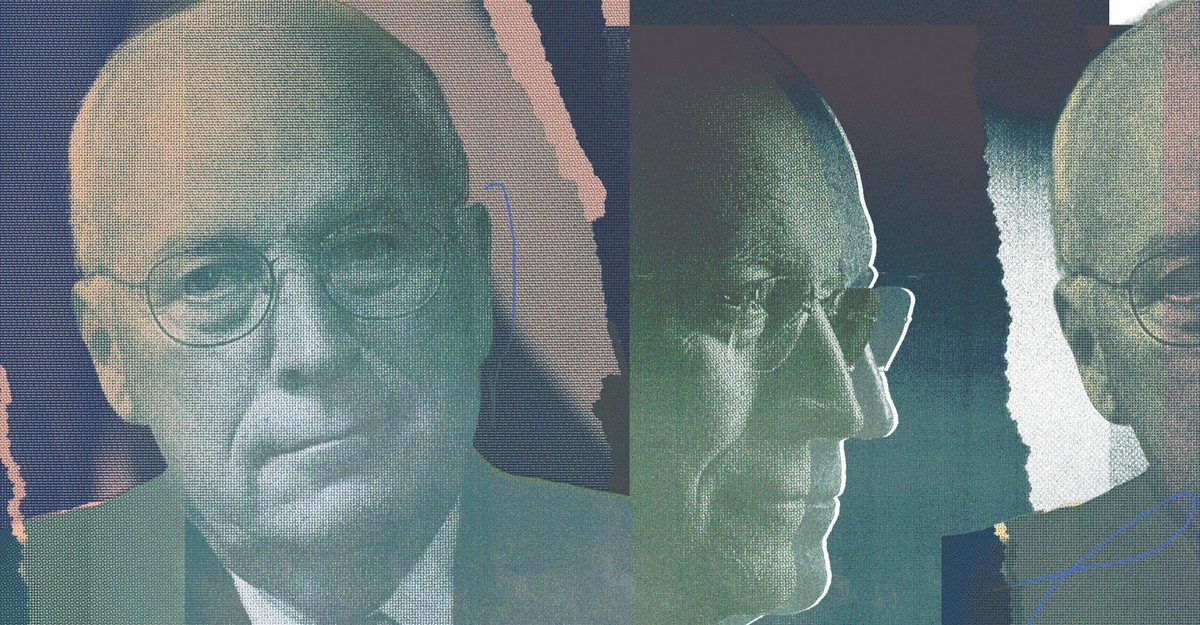
Cheney’s legacy reminds us that unchecked power, even in the name of security, tests our faith in both democracy and humility.
The death of former U.S. Vice President Dick Cheney has renewed examination of his legacy, both as a powerful national security architect and as a political figure whose ideas reshaped the American presidency. Cheney’s career, spanning decades of public service, was driven by his conviction that the presidency required strong, near-unchecked authority to act decisively, particularly in matters of national security. This belief—formalized in the 'unitary executive theory'—guided key policies under President George W. Bush after 9/11, from warrantless surveillance to pre-emptive military intervention.
Commentators note that Cheney’s approach to executive power left a lasting imprint, creating legal and institutional precedents that later administrations—including Donald Trump’s—leveraged to extend presidential reach. While some see a direct line from Cheney’s doctrines to present-day assertions of unilateral authority, others emphasize critical distinctions: Cheney’s loyalty to institutional boundaries and constitutional order, versus Trump’s more personal and confrontational use of similar powers.
Despite his controversial record on the Iraq War and interrogation policies, Cheney remained consistent in his belief that strong leadership preserved national security. In his final years, however, he broke with much of his party, openly condemning Trump’s efforts to challenge democratic institutions and endorsing political rivals in defense of constitutional integrity. His complex legacy continues to fuel debates about the moral and political costs of unchecked executive power—and the ongoing challenge of balancing authority and accountability in a democracy.
Key Facts
- Dick Cheney, former U.S. vice president, died at age 84.
- Cheney shaped the expansion of presidential power through the 'unitary executive theory.'
- His influence is linked by some analysts to the broad powers later exercised by Donald Trump.
- Cheney played a key role in the Iraq War and post-9/11 security policies.
- He was known for his belief in decisive executive action, often at the expense of transparency.
- In later years, Cheney opposed Donald Trump, calling him a threat to the republic.
- His daughter Liz Cheney also became a prominent critic of Trump within the Republican Party.