What the Trump-JPMorgan Lawsuit Reveals About Power and Dependence
Sunday, January 25, 2026
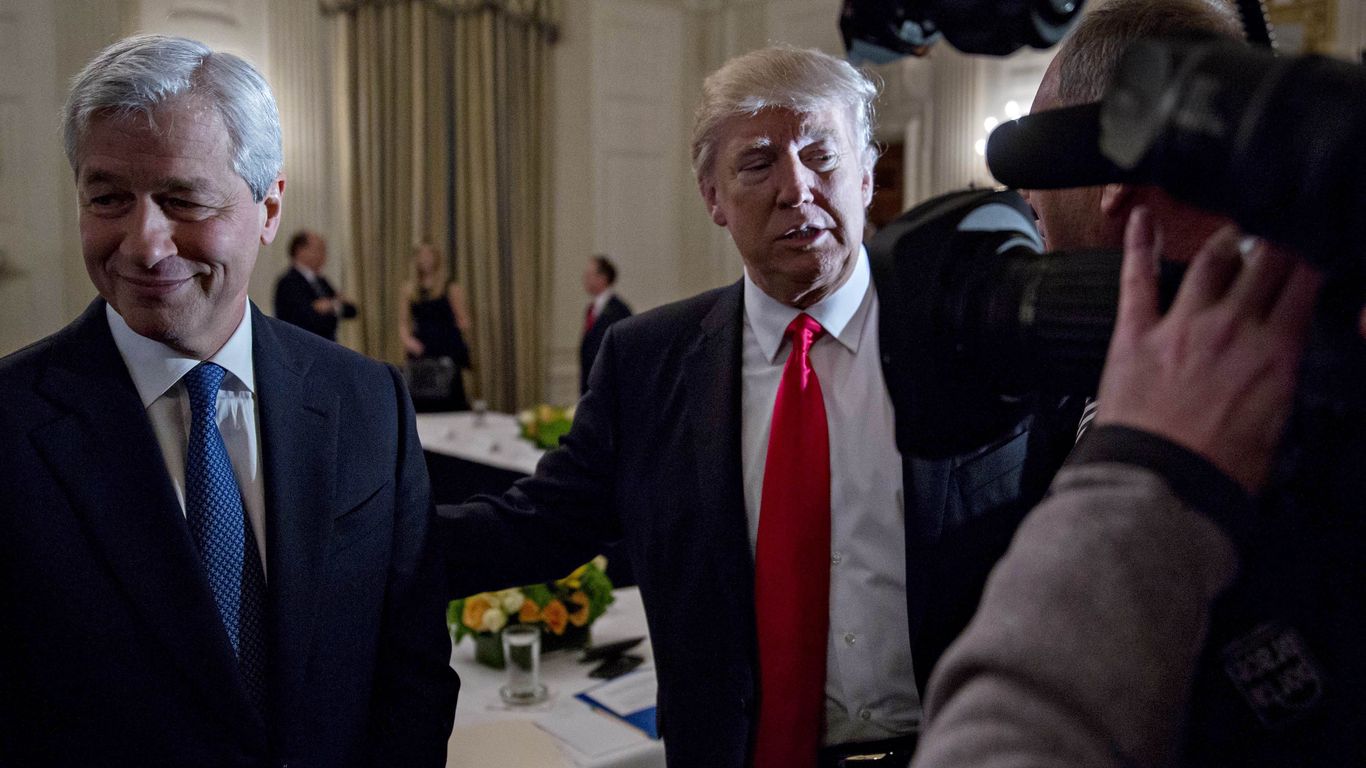
President Trump's $5 billion lawsuit against JPMorgan Chase over closed accounts exposes how modern life has made banking not just convenient, but essential—and what happens when institutions hold that kind of power over individuals, even powerful ones.
When President Trump filed a $5 billion lawsuit against JPMorgan Chase this week, alleging the bank closed his accounts for political reasons after January 6, the spectacle overshadowed a more uncomfortable truth: we have built a society where access to basic financial services can be revoked, and there's almost nothing anyone can do about it.
Trump claims political discrimination. JPMorgan says it followed regulatory requirements. Both may be telling their version of the truth. But underneath the legal battle lies a question few want to confront: What does it mean that banks—unelected, profit-driven institutions—now function as gatekeepers to participation in modern economic life?
The irony is striking. Trump, a billionaire president, found himself powerless when a bank decided he posed "legal or regulatory risk." If someone with his resources and connections can be cut off, what does that reveal about the vulnerability of ordinary people?
This isn't about taking sides in a lawsuit. It's about recognizing what we've surrendered without much discussion. Banking used to be a service. Now it's a requirement. Try renting an apartment, receiving a paycheck, or paying bills without bank access. We've created systems where private companies can effectively exclude people from economic life—and we're only noticing when it happens to someone famous.
For Christians, this raises ancient questions about where ultimate security lies and what happens when we build societies where institutional access equals existence itself. Jesus warned about storing treasures where they can be taken. We might consider what it means that we've made that vulnerability universal.