The House Built on Money Meant for the Homeless
Sunday, January 25, 2026
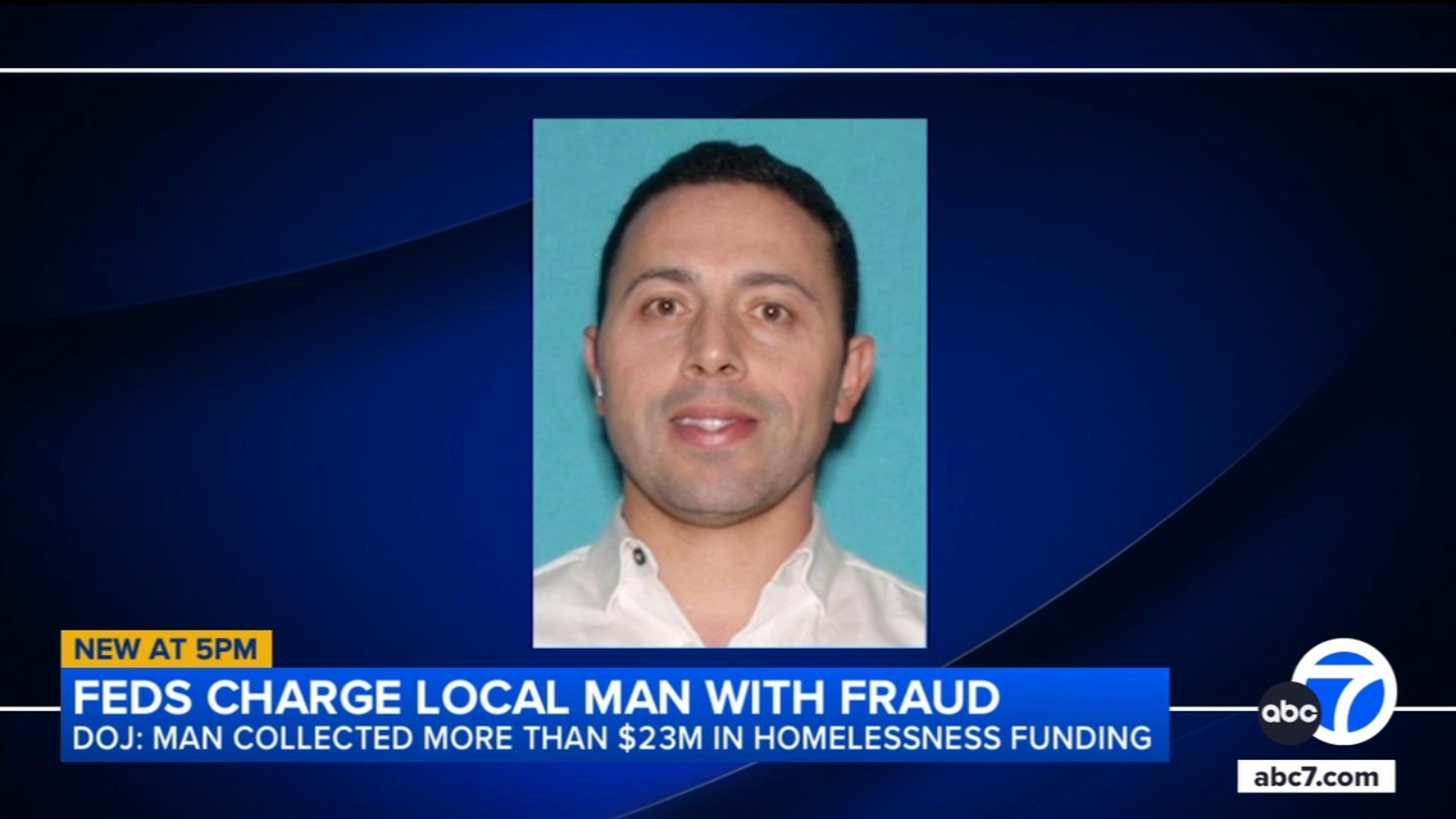
A charity director's alleged theft of $23 million in homeless funds reveals not just one man's corruption, but a systemic failure where the vulnerable become invisible commodities in a broken trust economy—and where those tasked with seeing them look past them entirely.
Alexander Soofer allegedly diverted $23 million meant to shelter and feed Los Angeles's homeless population. He bought a $7 million Westwood mansion. He vacationed in Greece. His Range Rover cost $125,000. Meanwhile, the people in his care ate ramen noodles.
But here's what haunts this story most: How did 600 human beings become invisible enough that no one noticed?
The fraud continued for years. Site visits happened. Complaints were filed. Yet the system—LAHSA, state agencies, oversight bodies—kept writing checks. The homeless residents themselves, the supposed beneficiaries of all this funding, were apparently never asked a single question that mattered.
This isn't just about one man's greed. It's about a system where the vulnerable exist primarily as line items in budgets and talking points in political speeches. We've created an entire infrastructure around homelessness—$24 billion spent in California over five years—yet the actual homeless remain functionally invisible to those managing their care.
Christian teaching has always insisted on a particular kind of seeing: "Whatever you did for the least of these, you did for me." Not programs for the least. Not funding allocated to the least. Direct relationship with the least. The moment human beings become abstractions—"the homeless problem," "program participants," budget categories—we've already failed the fundamental test.
Soofer's alleged theft is monstrous. But the system that made 600 invisible people his opportunity? That's the deeper corruption we're all complicit in when we forget that the measure of our society isn't how much we spend, but whether we actually see.
Sources
Los Angeles man charged in $23 million homeless funding fraud - ABC7 Los Angeles
ABC7 Los Angeles
LA charity leader arrested for embezzling millions in homeless funding | FOX 11 Los Angeles
FOX 11 Los Angeles
Man arrested for allegedly using millions in homeless funds for luxury lifestyle | Fox News
Fox News