www.harvard.edu · https://www.harvard.edu/
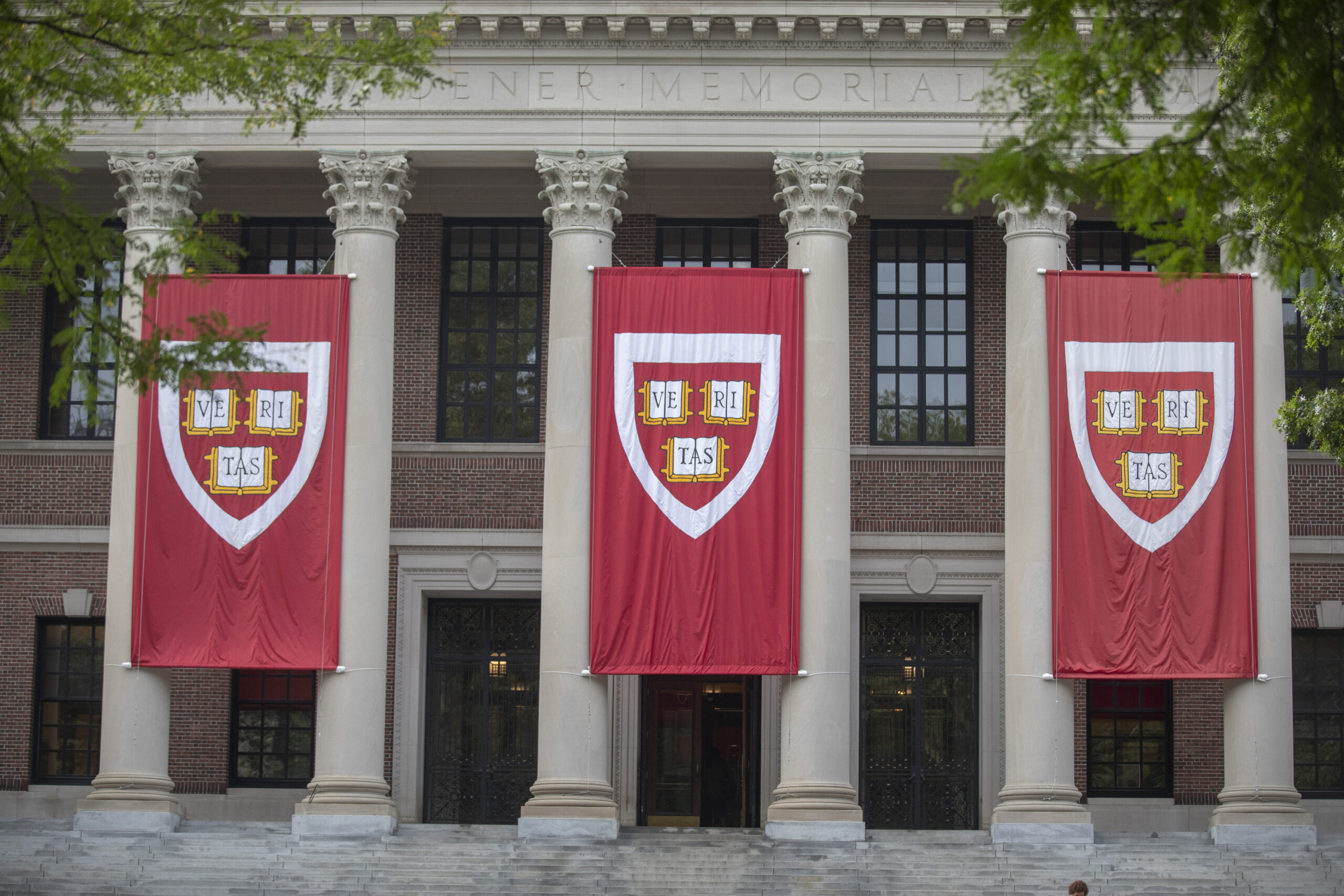
Harvard will pay $53 million after its morgue manager stole and sold donated bodies. The settlement can compensate; it cannot undo what the theft actually violated.
It is sown in dishonor; it is raised in glory.
1 Corinthians 15:42-44
Cedric Lodge worked in the Harvard Medical School morgue for years before anyone asked what he did with what passed through his hands. Prosecutors say he took skin, brains, hearts out of donated cadavers and shipped them to buyers who collect such things, that his wife helped sell them, that this went on for four years and touched bodies from at least 438 donors. Some of what he took is still out there somewhere, in a private collection, far from wherever the person meant to end up.
Harvard will pay $53 million to the families who sued. The money will be split across two funds and distributed over the coming months. The school's deans have agreed to appear on a live webinar with the families and call what happened "morally reprehensible." A scholarship will be created in the donors' honor. None of this is nothing. It is also worth being precise about what it is not.
A person who donates their body to science is not surrendering to indifference about what happens to it afterward. It is a final act of purpose, decided years in advance, that the body could still do something useful once the person who lived in it was gone. Teach a first year student where the heart sits. Let a scalpel find its way on tissue before it ever touches a living patient. The donor form works like a will, except what it distributes is flesh, and the giver is trusting an institution to keep the terms exactly.
That is what these families are describing when they describe their grief, and it is why the theft will not sit still inside the categories a courtroom is built to measure. Fraud has a dollar value. A claim of negligent supervision has a dollar value, and the Massachusetts high court found Harvard's supervision of its own morgue an "extraordinary failure." What has no dollar value is the fact that a father's body, given so someone could learn anatomy, ended up cataloged and priced for a stranger's private collection. The settlement answers the first question. It cannot touch the second, and it does not pretend to.
Paul is writing to a church arguing about whether the dead really rise, and he will not let the body be treated as packaging the soul discards on its way somewhere better. "It is sown in dishonor," he tells the Corinthians, "it is raised in glory." The image is a seed. It goes into the ground looking spent and comes up not as something else but as the same thing, transformed. The whole argument depends on continuity between what is buried and what is raised. Paul does not comfort his readers by minimizing the body. He refuses to let them minimize it. The instinct to say the body was only ever a shell is precisely what he is arguing against, fifteen chapters into the most sustained defense of the resurrection in the New Testament.
Scripture keeps circling back to this. Abraham's first legal transaction in the land God promised him is buying a burial cave for his wife. Joseph, dying in Egypt, makes his family swear an oath that generations later, when they finally leave, they will carry his bones out with them. These are not sentimental gestures toward a body no one thinks matters anymore. They are the opposite kind of act, arranged in advance, insisting that what happens to remains still counts.
Nothing in the settlement restores what a collector paid to own. The webinar will happen. The apology will be read aloud. The families will receive their share of $53 million, and every one of them will still know exactly what that money is standing in for, and what it cannot buy back.