NBC News · https://www.nbcnews.com/news/us-news/phones-are-distracting-students-class-states-are-pressing-schools-ban-rcna140629
Thirty-nine states now keep phones out of class. The grades barely moved. What moved was the thing an apostle said ink could never finish.
Having many things to write to you, I don't want to do so with paper and ink, but I hope to come to you, and to speak face to face, that our joy may be made full.
2 John 1:12
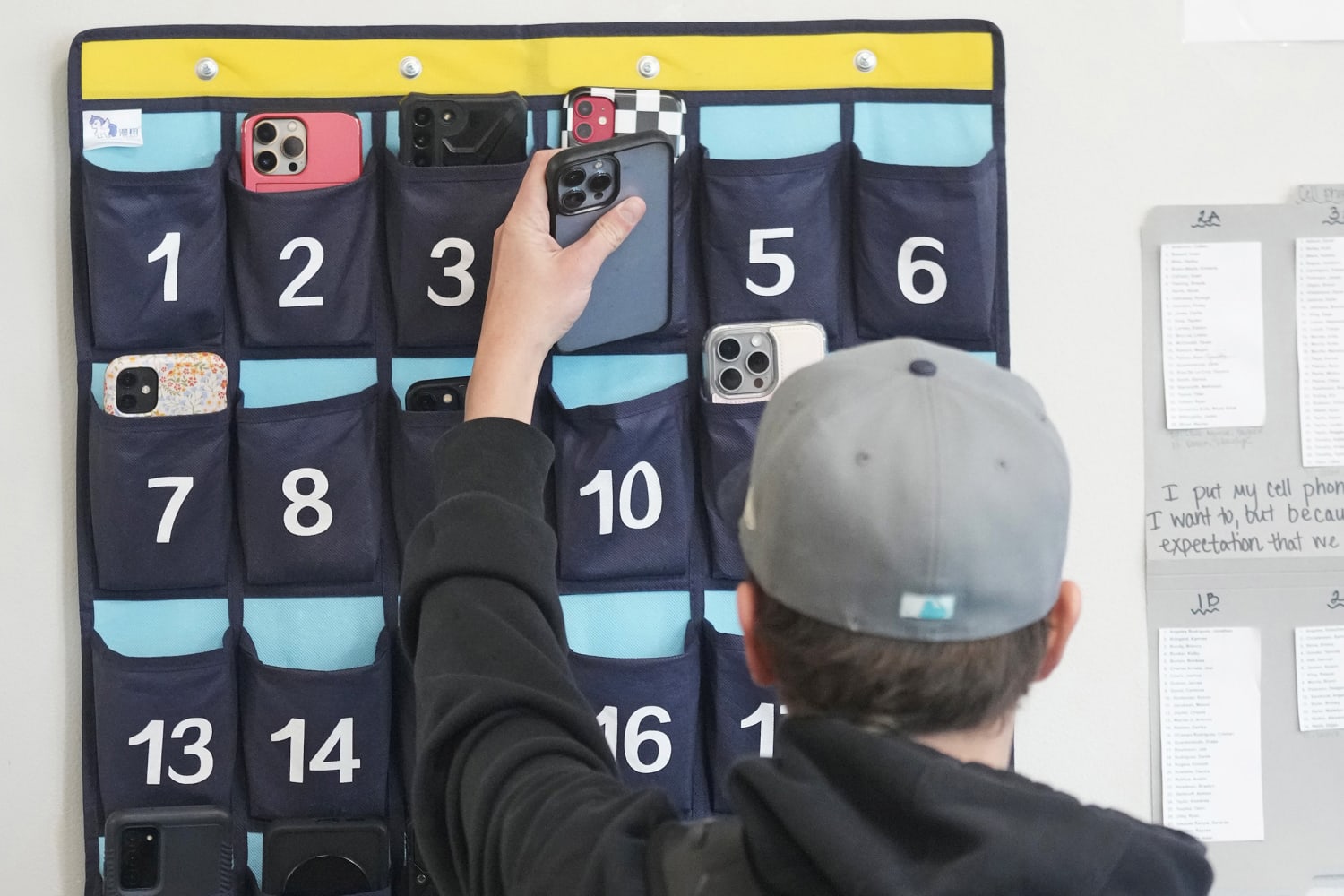
This fall, for the first time, the American school day defaults to a lunchroom without phones. As the 2026–27 year opens, 39 states and 106 countries limit phones in class. In August, a study of more than 40,000 schools arrived with a finding no one had been selling. The bans did not lift test scores. Math and reading landed about where they had been. What rose instead was student wellbeing and the plain fact of kids talking to each other.
That flat result quietly rewrites the point of the rule. The bans were often sold as a way to help children focus and score higher. The grades barely moved. What moved was presence, the face returned to the table.
A short letter near the end of the New Testament saw this coming. Its writer had much to say and the ink to say it. He set the pen down anyway. He would rather come in person and let the joy finish face to face. He was writing about letters. He could have been writing about our phones, which are only faster paper and brighter ink.
The Bible is unsentimental about why the table matters. It does not call company a comfort.
Ecclesiastes 4:9-109Two are better than one, because they have a good reward for their labor.10For if they fall, the one will lift up his fellow; but woe to him who is alone when he falls, and doesn't have another to lift him up.
Its reasons are practical. There is a better return on shared work, and a hand to catch you when you fall. A phone cannot reach across a table to lift anyone. The lunchroom is where a child learns this, or where he does not.
The agreement here is unusually wide. Around three in four Republicans and two in three Democrats want phones out of class, and one governor called her bill neither red nor blue. Under that agreement sit two honest worries. Some parents cannot reach a child inside a locked-down building. Some schools enforce the rule hardest on their poorest kids, the ones who lean on a phone for a ride, a translation, a way online. The text does not settle the policy.
It settles something smaller and harder. A ban can clear the table. It cannot make anyone look up. When the bell rings the phones switch back on, and the afternoon is untouched. What the school handed back was the lunch hour. The seat across from you is open. Someone still has to sit down.
Sources
39 U.S. States and 106 Countries Now Prohibit Phones in Class
US News & World Report
School Cell Phone Bans May Boost Student Well-Being but Not Test Scores
Scientific American
Most Americans Back Cellphone Bans During Class
Pew Research Center
State Cellphone Bans for Public School Students Divide Parents
The Washington Times