x.com · https://x.com/dave1agar/status/2069512662715666541
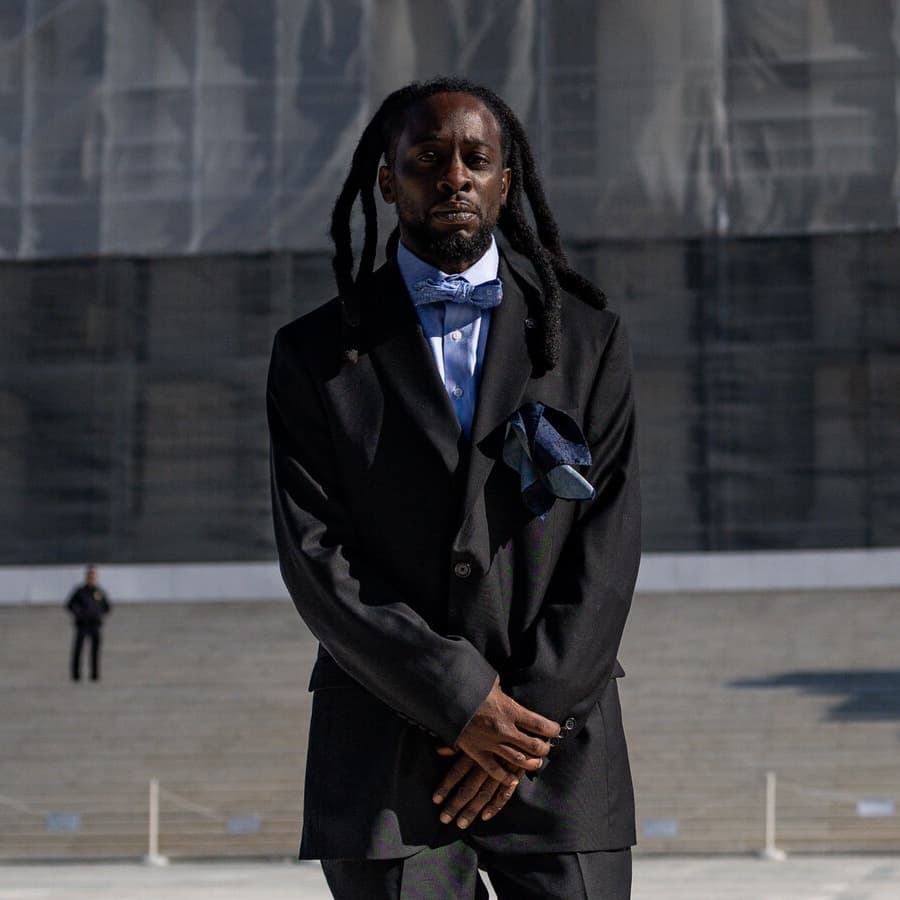
A Rastafarian's twenty-year vow was shaved off by guards who knew it was illegal. The Court agreed the law was broken, then ruled no one answers for it.
Woe to those who decree unrighteous decrees, and to the writers who write oppressive decrees, to deprive the needy of justice, and to rob the poor among my people of their rights.
Isaiah 10:1-2
Most of us get through the day on a simple assumption: if someone with power over us crosses a line, there is a door we can walk through to make it right. A landlord, a boss, a clerk behind a counter. We trust that the rule protecting us is also a rule someone can be held to. This week the Supreme Court showed how easily that door can be locked.
At intake, Damon Landor handed the guards a court order protecting his hair. They threw it in the trash, cuffed him to a chair, and shaved off a Nazarite vow he had kept for twenty years. No one disputes this was illegal. The Court said as much, and still ruled, six to three, that the officers who did it owe him nothing. The law that bound the prison, they reasoned, never personally bound the men.
The old woe in Isaiah falls on the scribes, the ones who leave the needy without justice and never break a single rule to do it. The prophet saw something easy to miss: injustice rarely shows up lawless. It comes notarized, footnoted, fully in order. A right can sit on the books while every path to claiming it quietly closes.
The right stayed on the books. The men who broke it went home. Whether justice still lives in the gap between those two facts is the question the rest of us inherit.