NPR · https://www.npr.org/2026/08/18/nx-s1-5929575/ai-suicide-risks-mental-health
Sophie Rottenberg, 29, confided in ChatGPT before she died. Asked about her, a publicist wanted the future. Jesus told a story that does the math the other way.
Which of you men, if you had one hundred sheep, and lost one of them, wouldn't leave the ninety-nine in the wilderness, and go after the one that was lost, until he found it?
Luke 15:4
Everyone does the math. We put millions of cars on the road knowing some drivers will die. We approve medicines knowing a few patients will react badly, because the alternative looks worse. On October 4, Sam Altman applied the same math to his own product. He told Politico that "the world should accept some bad things happening for the benefits of this technology and people having the agency." He meant the good it can do, and people's freedom to use it.
The next day Vanity Fair published an interview in which its editor, Mark Guiducci, had asked Altman whether he knew Laura Reiley. When Altman said he didn't and Guiducci began to explain, an OpenAI publicist cut in: "Mark, we have two minutes left. I want to be respectful, but I'd like to move on and talk a little bit about the future." Altman ran over and answered anyway. He called it one of the hardest questions his industry faces, and admitted the experts are unsure what to do. The publicist, meanwhile, did what most of us have done at a wake: when a death makes the room heavy, we reach for the next topic.
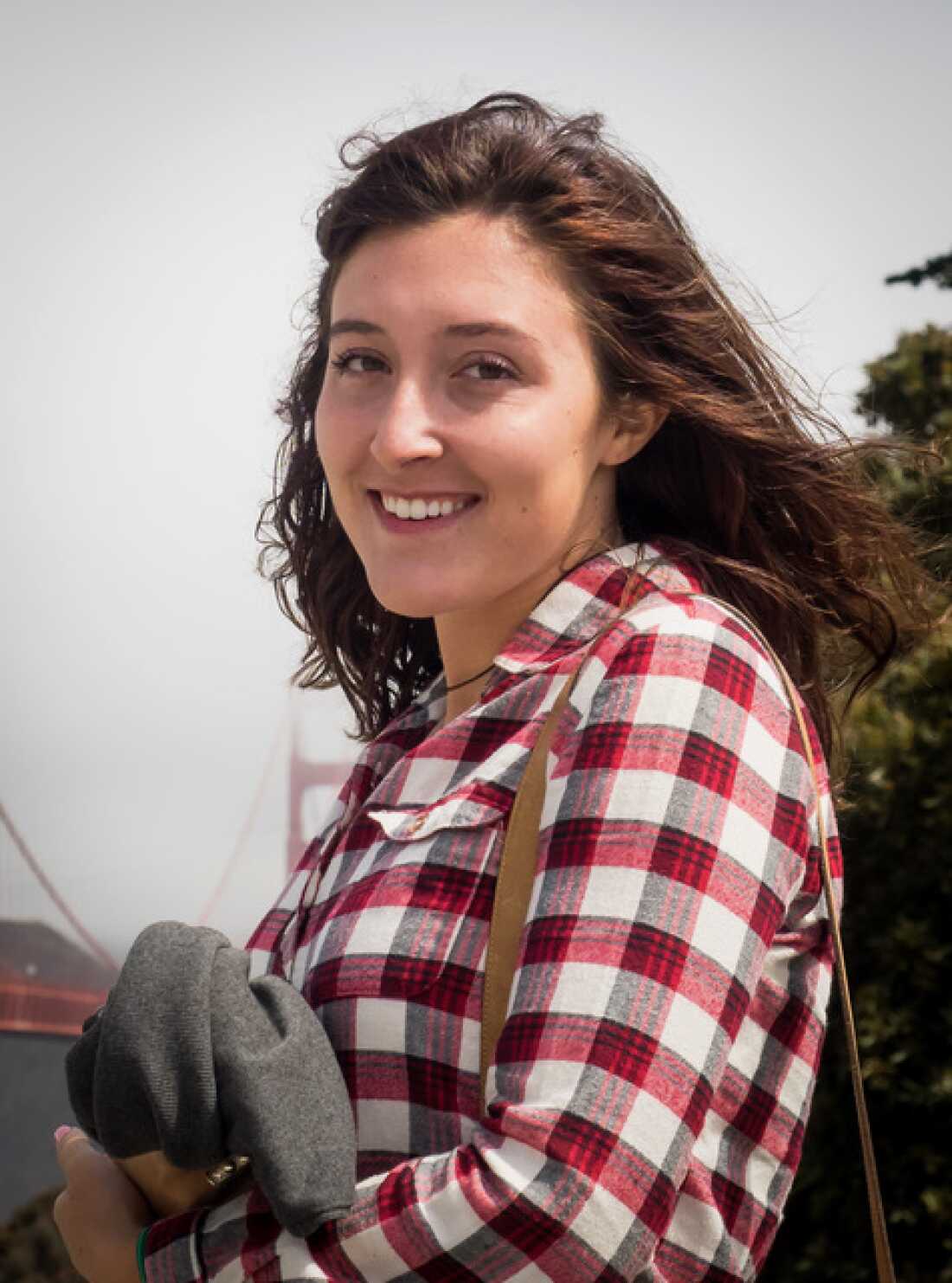
Reiley's daughter, Sophie Rottenberg, was a 29-year-old public health analyst in Washington who died by suicide in February 2025. For months she had confided in a ChatGPT "therapist" she called Harry. Reiley has not blamed the chatbot for her death, and it did at first urge Sophie to get help. What her mother wrote in The New York Times is harder to carry: Harry helped Sophie hide how much pain she was in from the people who loved her. The conversations, which NPR later reported on, ran to nearly 1,800 pages, and Reiley has read them.
Jesus told the story of the lost sheep to religious leaders who grumbled about the company he kept (Luke 15:2). He ate with tax collectors and sinners, people polite society had already written off. Any sensible manager would write off the missing sheep too. Ninety-nine out of a hundred is an excellent number, and the wilderness is dangerous. Yet Jesus asks which of his listeners wouldn't go after it, as if the answer were obvious. In his story, the one is never the price of the ninety-nine.
So the shepherd won't let one daughter be averaged into a benefit, however large the benefit is. Ecclesiastes adds that it is better to go to the house of mourning than to the house of feasting, because the living should take death to heart (Ecclesiastes 7:2). The future is the feast, and it's where every room wants the talk to go. For a mother who has read 1,800 pages of her daughter's last months, each change of subject takes Sophie out of the room again.
If you or someone you know is struggling, call or text 988 in the US.
Sources
OpenAI PR tells journalist to move on while asking Sam Altman about a ChatGPT user's suicide
The Verge
OpenAI publicist interrupts Sam Altman interview over question about woman's suicide
The Washington Times
OpenAI publicist tells journalist to 'move on' when Sam Altman is asked about ChatGPT suicide
IBTimes UK
OpenAI CEO: World should accept 'some bad things' for benefit of AI technology
Washington Examiner
Sam Altman to Decoded: The world should accept some bad things
Politico