Verse of the Day — Wednesday, June 24, 2026
Galatians 6:9
Galatians 6:9. The Verse of the Day for Wednesday, June 24, 2026, with a short reflection.
Let us not be weary in doing good, for we will reap in due season, if we don't give up.
Galatians 6:9
What this verse means
Keep doing good and do not let your heart grow tired. The harvest is real, and it arrives at the right moment for the people who refuse to quit before it comes.
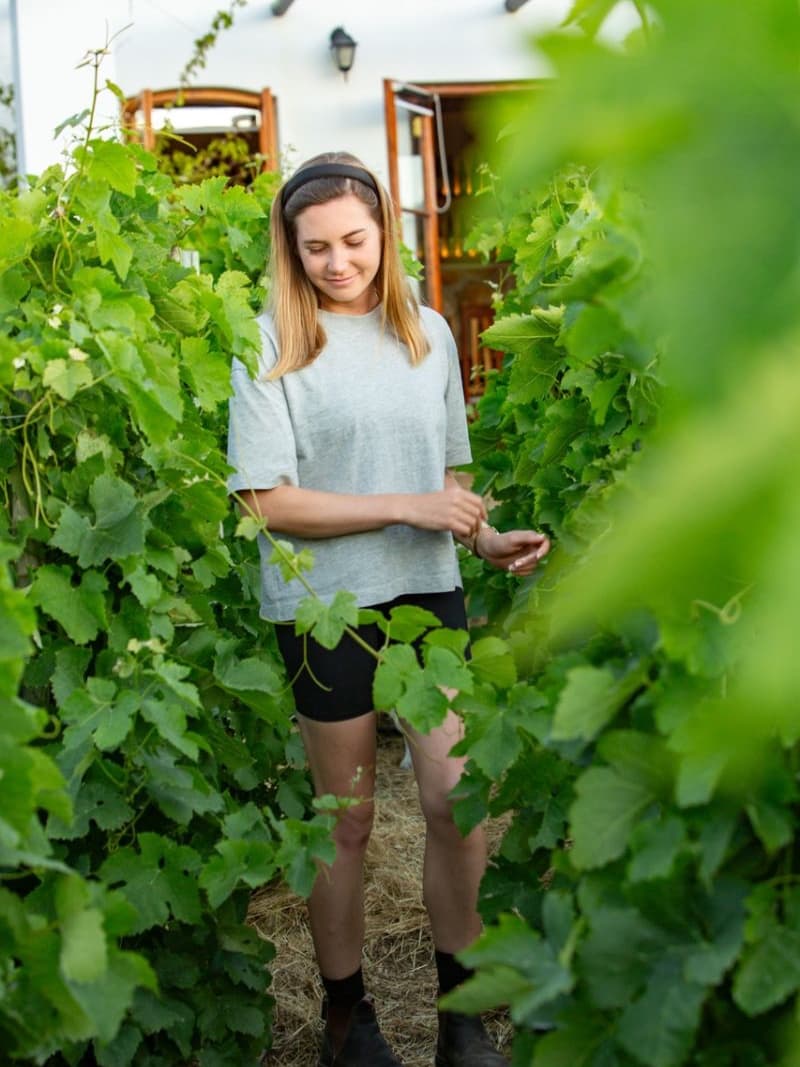
These words fall near the close of Galatians, where Paul turns from big ideas about freedom and life "by the Spirit" to plain, daily instructions. Just before this verse he uses a farming picture: a person harvests whatever they plant, and the one who plants toward the Spirit will gather life. Verse 9 takes that image and points it at endurance. Doing good is a kind of sowing, and sowing always asks you to wait.
He is writing to a young church that was pulling apart and running low on hope. The encouragement is shared, not solitary. Paul says "let us," folding himself in with people who were tired of trying. He knows that goodness done in obscurity, with no visible payoff, is the kind that wears you down first.
The Greek behind "be weary" is enkakeō, which means to go slack, to lose your nerve, to give in to fatigue. "Due season" translates kairos, the right appointed time rather than simply "someday." And "reap" carries the harvest image straight from the fields, where the crop comes up on its own schedule, not the farmer's.
Today the verse steadies anyone tending good that no one sees yet. It asks for patience with work whose results are still underground, and trust in a harvest set on a clock you did not wind.