Wealth
Economics, technology, work, labor. Scripture talks about money more than almost anything else. These reflections read the economy's headlines alongside texts about debt, wages, greed, and generosity.
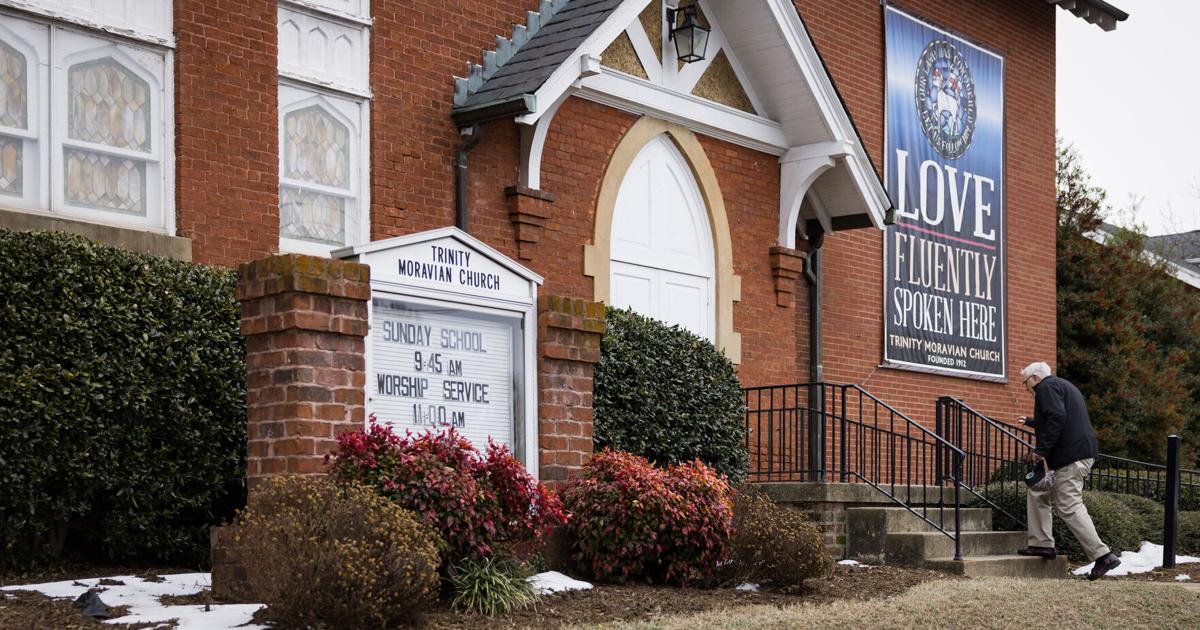
The letter looked like junk mail. It erased her $16,000 debt.
Churches are buying medical debt for about a penny on the dollar and burning it. The market said it was worth almost nothing. One mother paid on it for years.
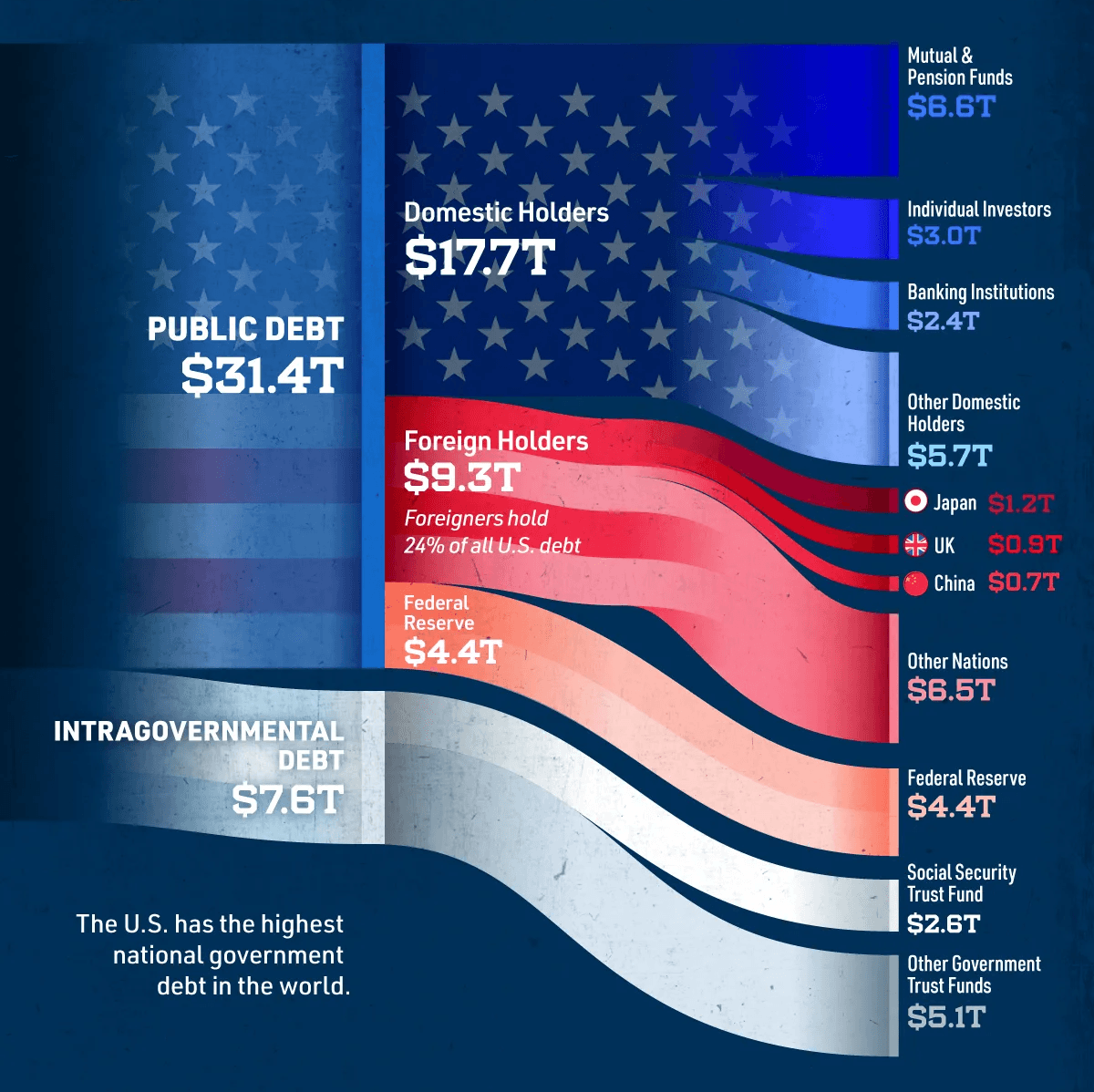
Who pays the $40 trillion we owe ourselves?
Families in Nehemiah's Jerusalem pledged their children when famine took their fields. America just ran its third-largest deficit ever, in a year without a pandemic.

Three years of 12-hour days, and a psalm about sleep
Vinod Khosla wants someone to keep up with his 80-hour weeks. Jacob's seven years for love felt like days. A builder's psalm asks what the nights are for.

They gave her $1,330 a month. She brought her mother home.
A year of no-strings cash brought Mikole Weeks's mother and sister across the country. In the biggest study, money for family rose most. Carrying them nearly broke her.

The Senate capped what the players who fill the seats earn
This week the Senate voted 77-22 to cap what college athletes can earn. The loudest objectors were on the free-market right.

He asked to be locked out. The app offered a trading break.
After bankruptcy, Thomas shut himself out of sportsbooks. A $20 bonus on a new app cost him $25,000. Jesus has a word for the seller, and another for him.

She pretended to be a stranger so we'd help her own father
An 81-year-old hauling lost luggage for his wife's cancer care raised $745,000, until GoFundMe learned the kind neighbor was his daughter. The need was real.

Everything was legal when they carried her out on a stretcher
An 87-year-old was evicted from her home of seventy years, and every step of it was legal. A whole country recoiled anyway, as if it had watched a theft.

The turbines hum, the taxes fall, the neighbors are not told
Data centers are splitting towns across party lines. The tax revenue is real, and so is the noise, the power draw, and the deal neighbors were never allowed to read.

Working until you die, and the rest that came first
A survey this summer found 43% of Americans expect to work until they die. Rest, we assume, is earned at the end. An older calendar put it first.
Record profits, food stamps, and the wage that does not vanish
Labor's share of the economy fell to its lowest since 1947, even as corporate margins set a record. The gap between the two did not vanish. It went somewhere.

Meta pays seventeen billion, and researchers doubt the children are safer
Forty-seven states, $17 billion, a declared win for child safety. The researchers who study these platforms are not sure anything a child sees has changed.

The power a family cannot survive the night without
A $1,373 bill. Power cut off in a summer that can kill. Behind the shutoffs, a fight over who absorbs the cost of a straining grid.

TikTok pays $400 million and admits nothing
The government called it one of the largest child-privacy settlements in history. For a company the size of TikTok, the real question is whether a fine changes anything.
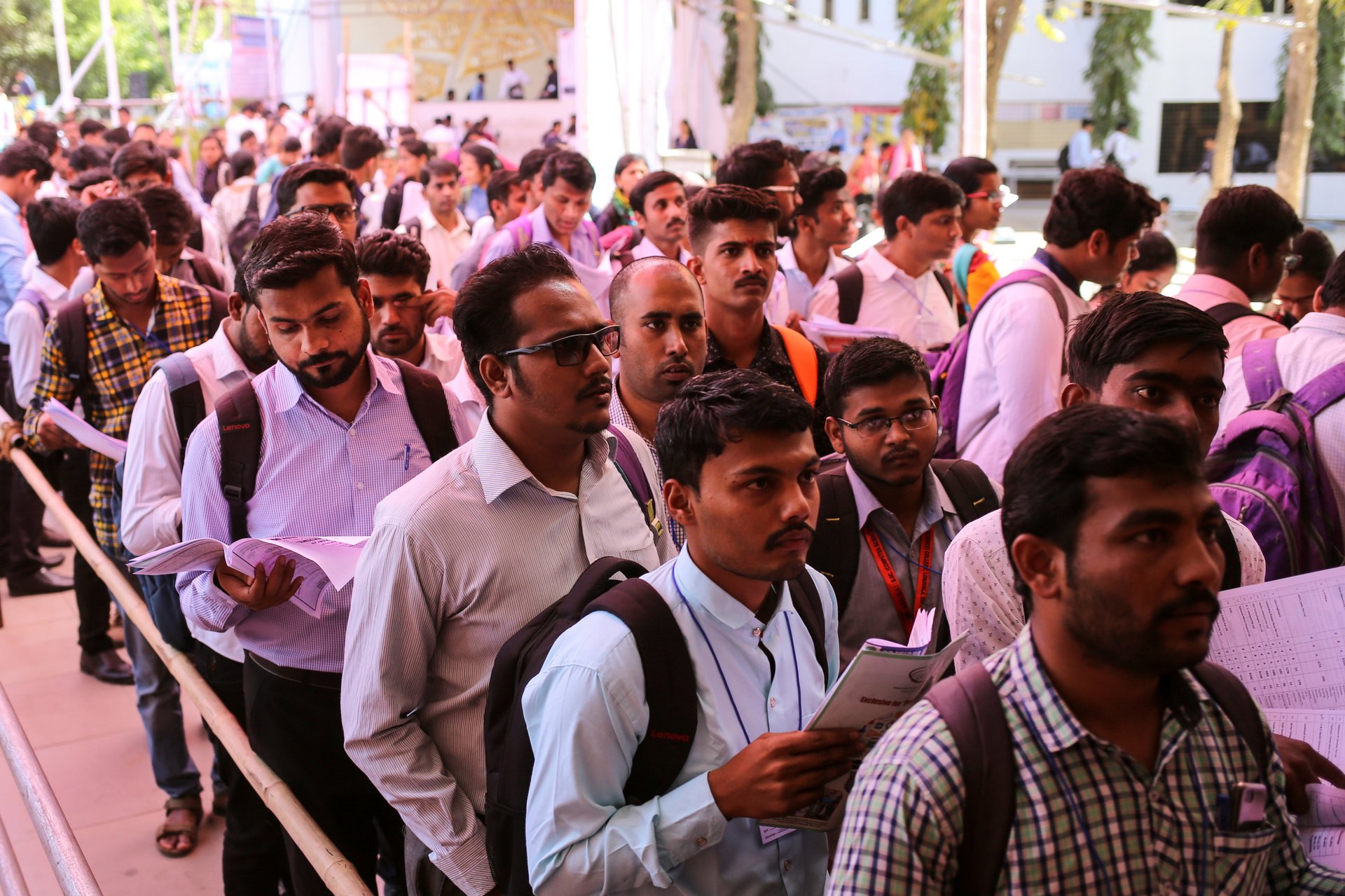
A Generation Runs Ten Kilometers for the Chance to Work
Half a million young Indians compete for a few hundred secure jobs. The scramble looks like a personal failing until you ask who built the field.
A market put a price on the president's next word
An insider won six figures betting on what the president would say. When an unspoken sentence becomes a tradable asset, something shifts in the words we promise and confess with.
New Mexico Fined Meta for the Harm Children Breathe
A judge took the polluting-factory defense Meta offered and made it the verdict: the damage to kids is the emission, and it does not stay on the screen.
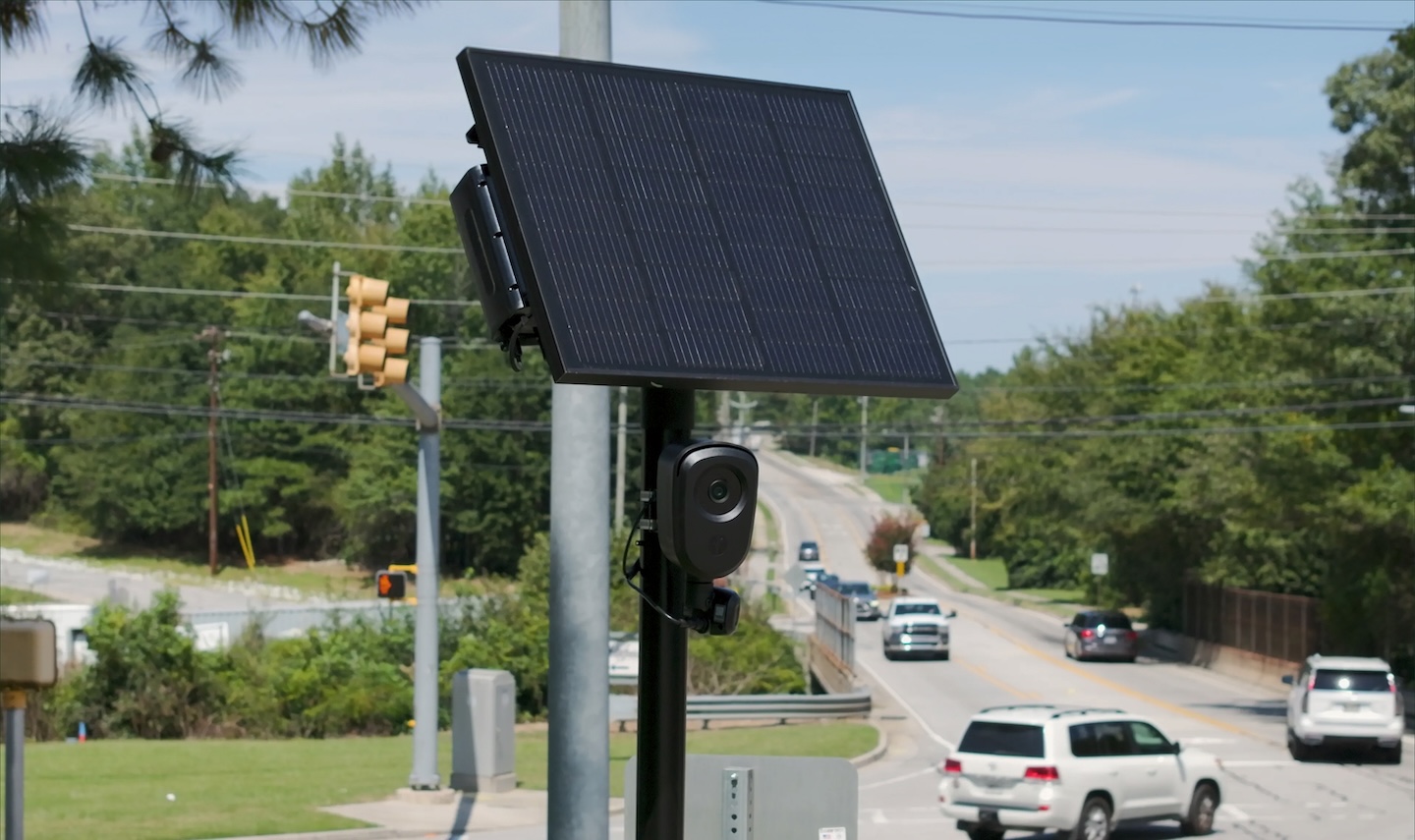
Towns Are Felling the Automated Cameras That Watch Every Street
A left-right revolt is sawing down Flock's license-plate cameras across the country. The question underneath the anger is who keeps the footage, and why.

Rural Texas Christians tell Big Tech the land is not for sale
In Hood County, Big Tech wants the land and the water. The people saying no are conservative Christians, and their reasons are theological.

An Ely outfitter refunds $60,000 as fire closes his season
Wildfire shut the entire Boundary Waters at peak season. One Ely outfitter, spending his own savings to stay open, is giving back sixty thousand dollars he could keep.

A Generation Leaves Faster Than the Next Was Trained
AI isn't the threat economists actually worry about. It's a generation leaving trades and hospital wards faster than anyone trained to fill them.
Leaving Home Now Costs More Than Staying
Seven in ten of the 25 million young adults living with parents have jobs. What used to make someone an adult now costs more than it pays.

Graduates Fear AI While America Runs Out of Nurses and Welders
The U.S. faces its largest projected worker shortage ever. Three thousand years ago, the richest king in Scripture faced it too, and had to write a letter.

Executives Bought a Story That Let Them Stop Counting Workers
A July 2026 KPMG survey found leaders blindsided by AI bills. The half-built tower was never a budgeting error. It was a shortcut nobody checked.
They Studied Justice. They Chose Otherwise.
Forty of 86 Brown economics students taking a course on fairness cheated using AI. A reflection on knowing what's right and choosing otherwise anyway.

A Record Year of Giving, Carried by People Feeling the Squeeze
Households gave more than ever in a year they could least afford it, while a billionaire called real generosity very hard.
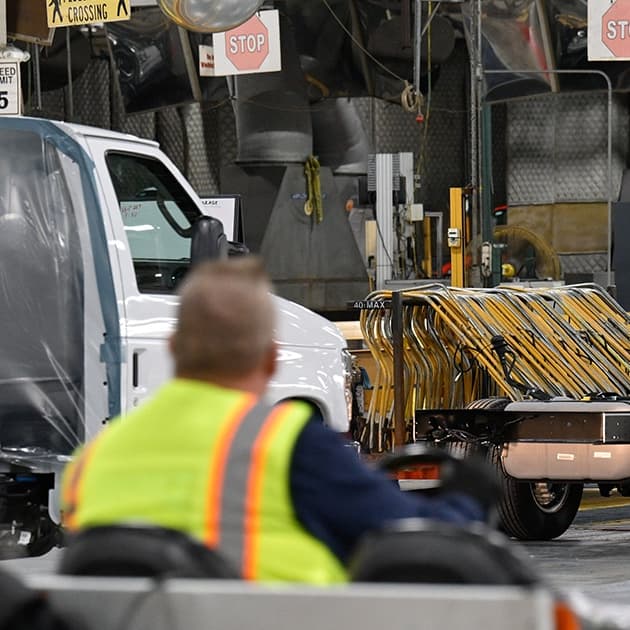
Ford Brought Back the Engineers Its Machines Could Not Replace
Ford tried to automate its veteran engineers away, then quietly rehired the ones it let go to fix what the machines got wrong.

One of the richest companies on earth has its worst morale ever.
Meta's CTO says morale is the worst in 20 years, after layoffs to fund its AI race. Jesus asked what it profits to gain the world and lose your soul.

Bloomberg put $90 million behind teaching kids to weld
A $90M Bloomberg initiative will route 15,000 high schoolers in nine cities toward welding, HVAC, and carpentry. Five workers retire from the trades for every two who enter.

An 85-year-old AMC usher got $146,000 from strangers who watched her work
A young customer filmed Mary Ellen Eron, 85, hauling a trash bag in a Tennessee theater. Within days, 7,500 strangers had paid for her retirement.